
Last updated November 22, 2026
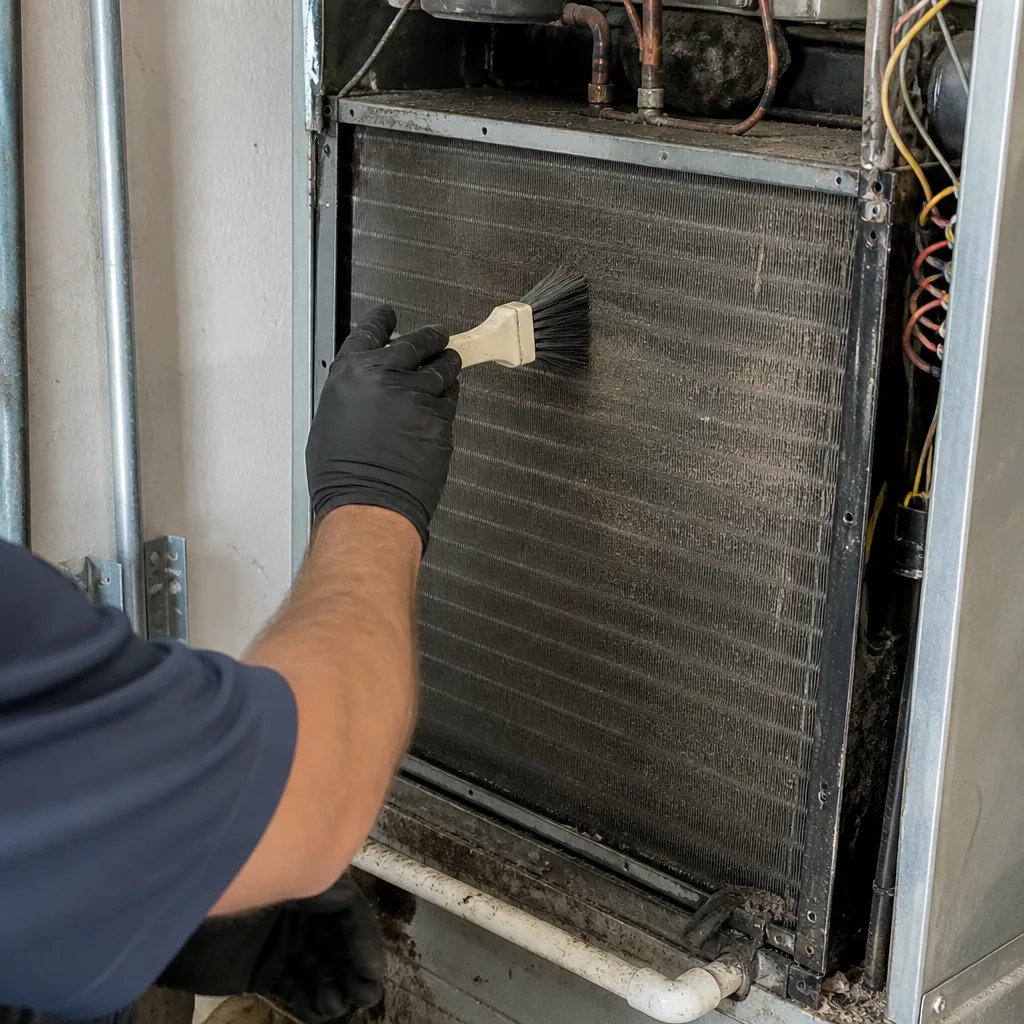
 Whole-home duct cleaning
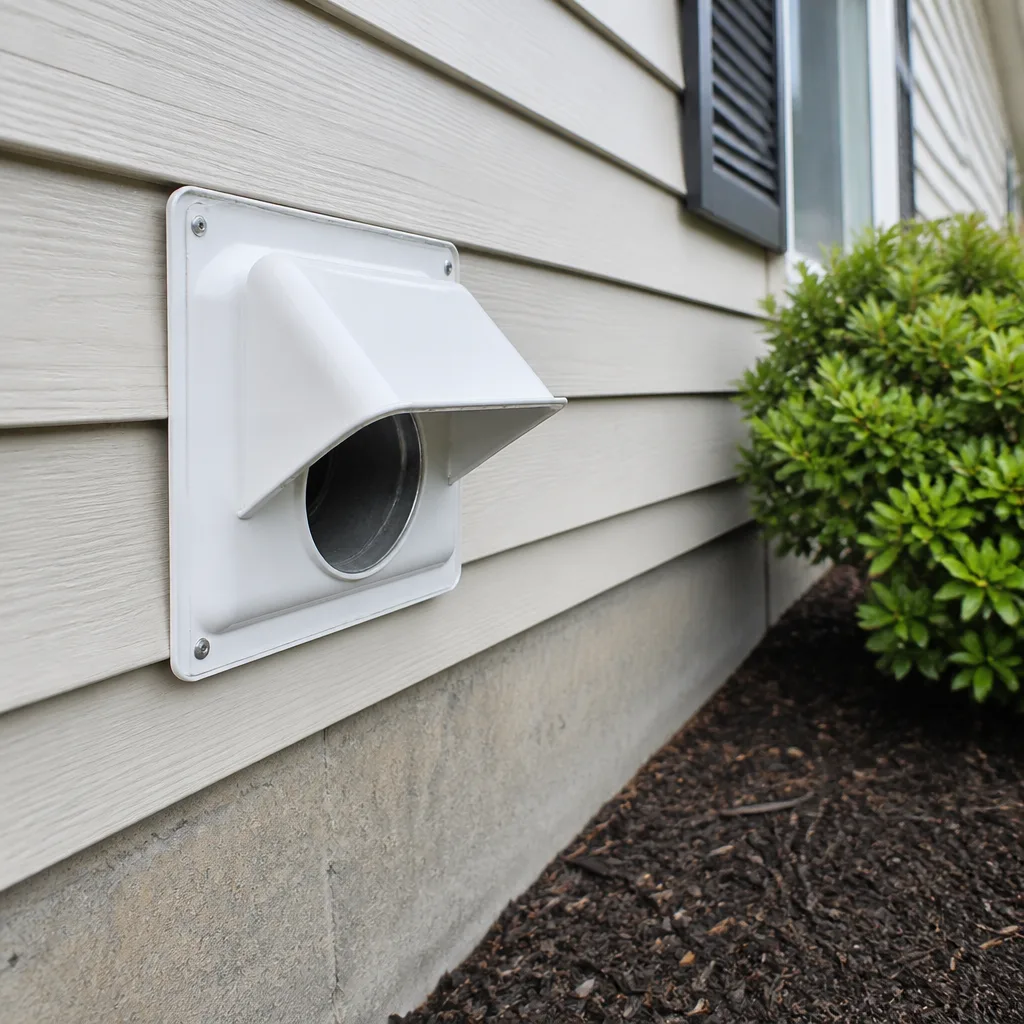 Dryer vent cleaning
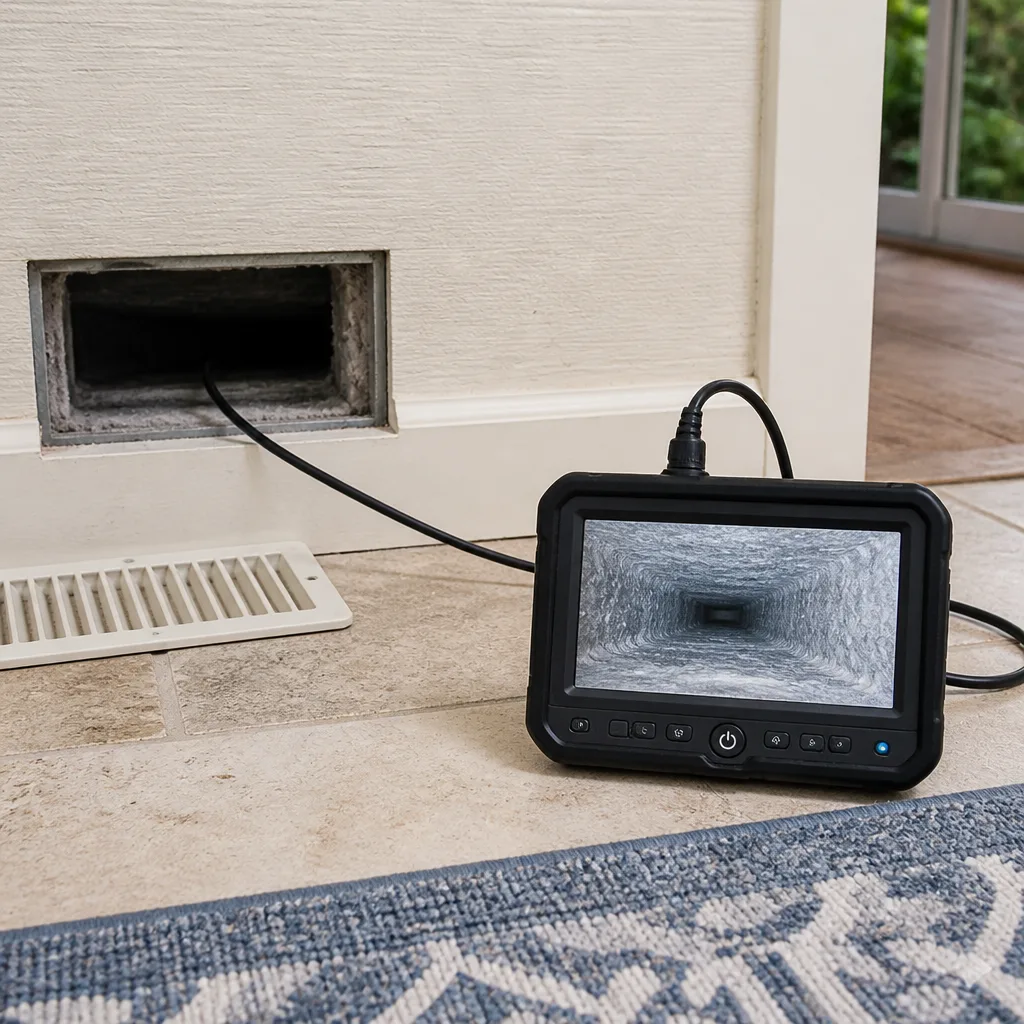 Camera inspection
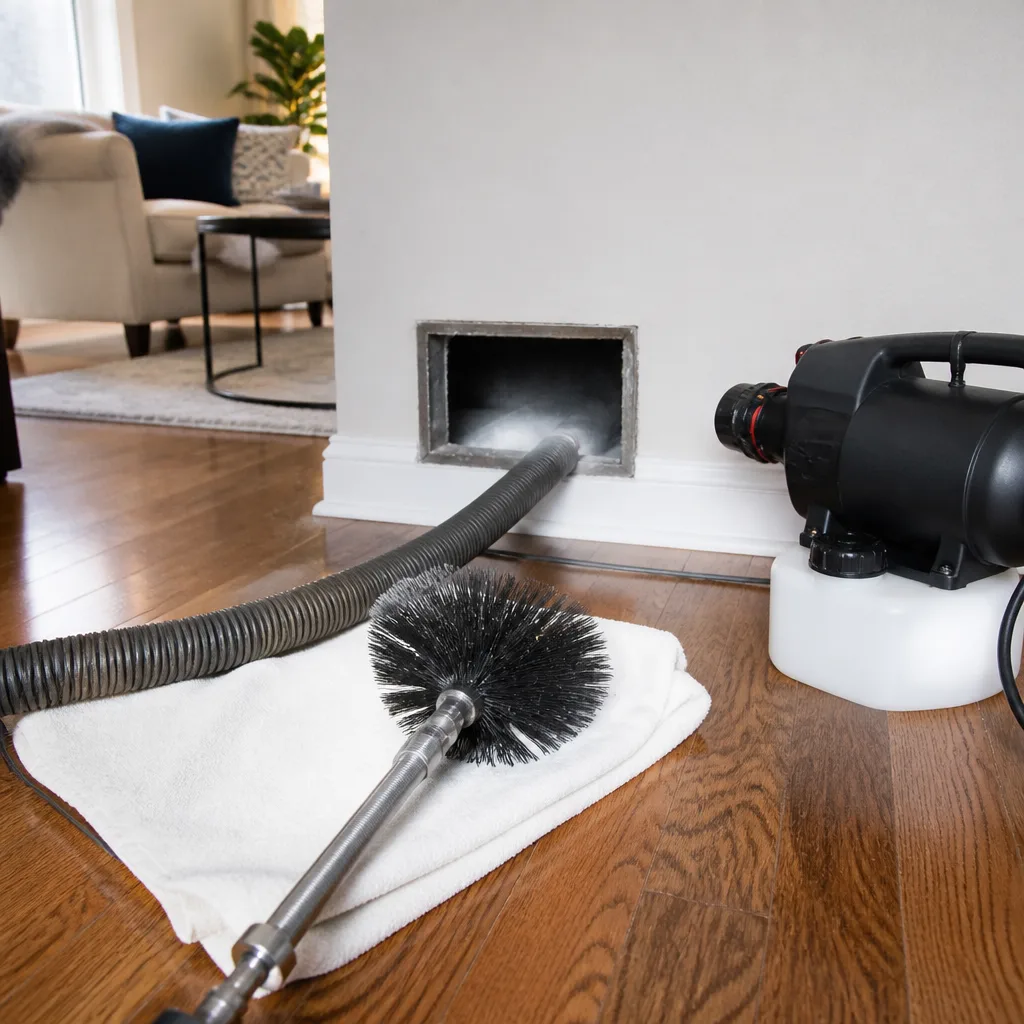 Sanitizing & deodorizing
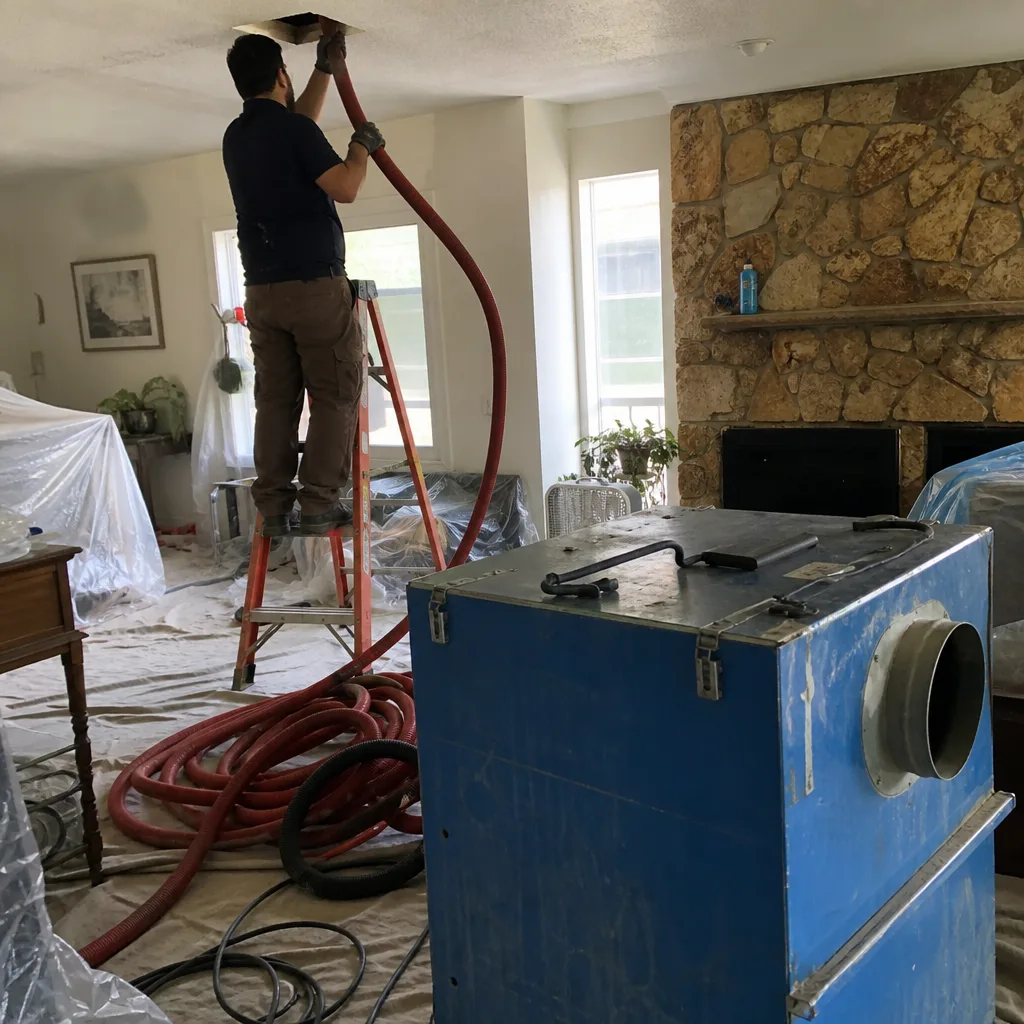
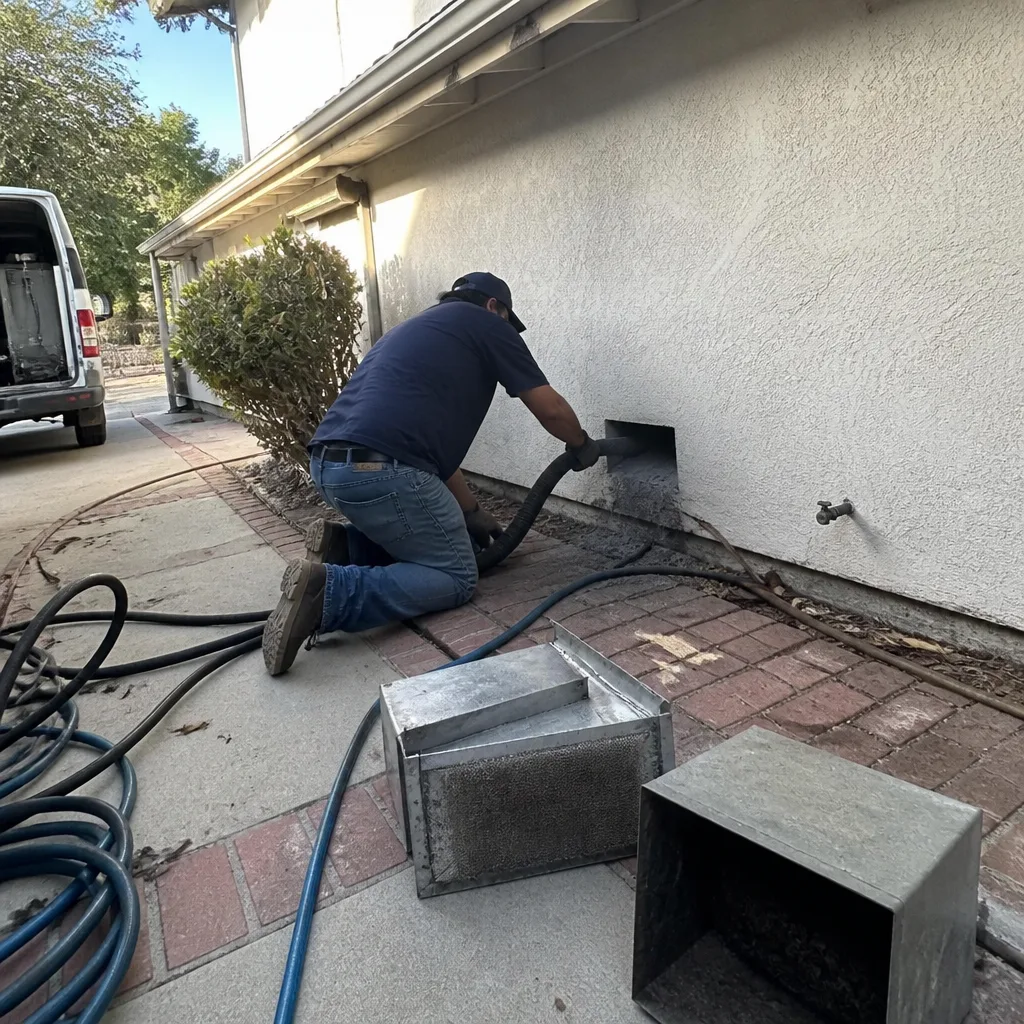
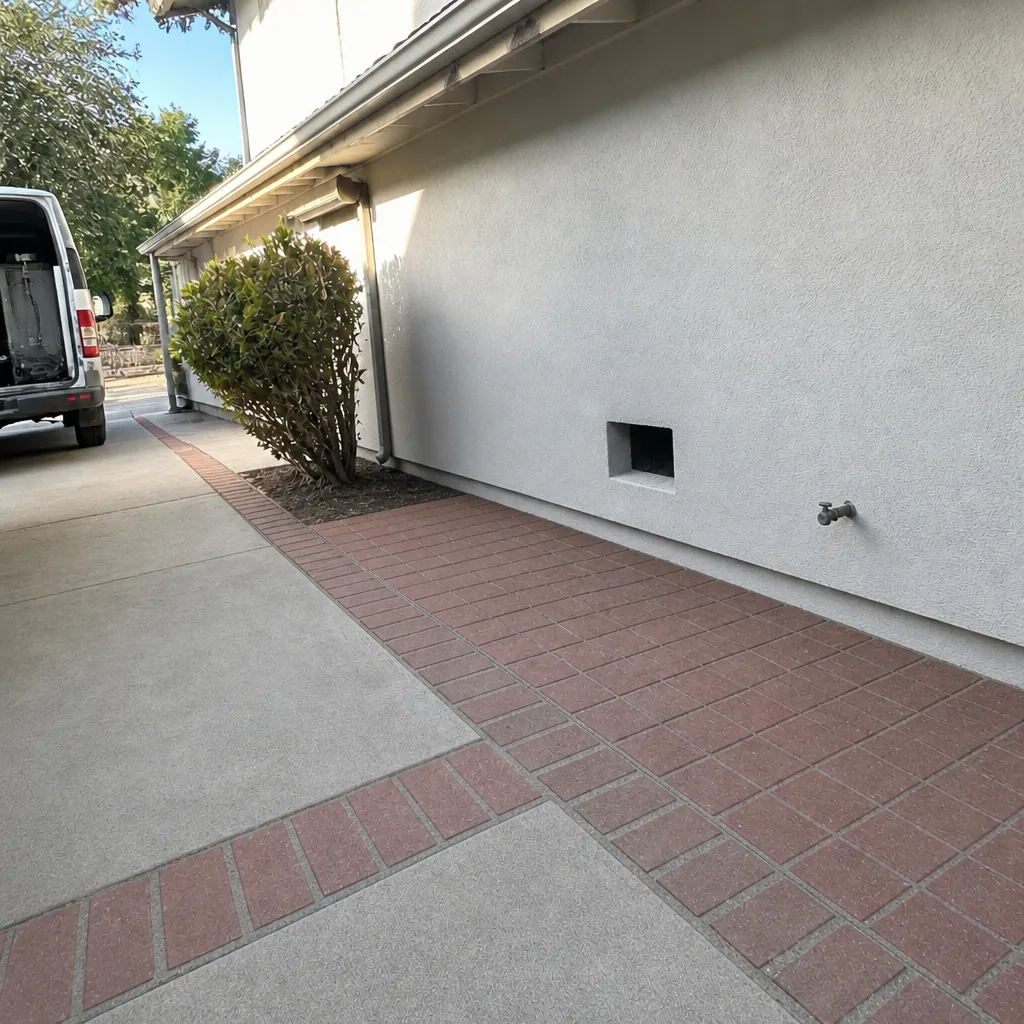
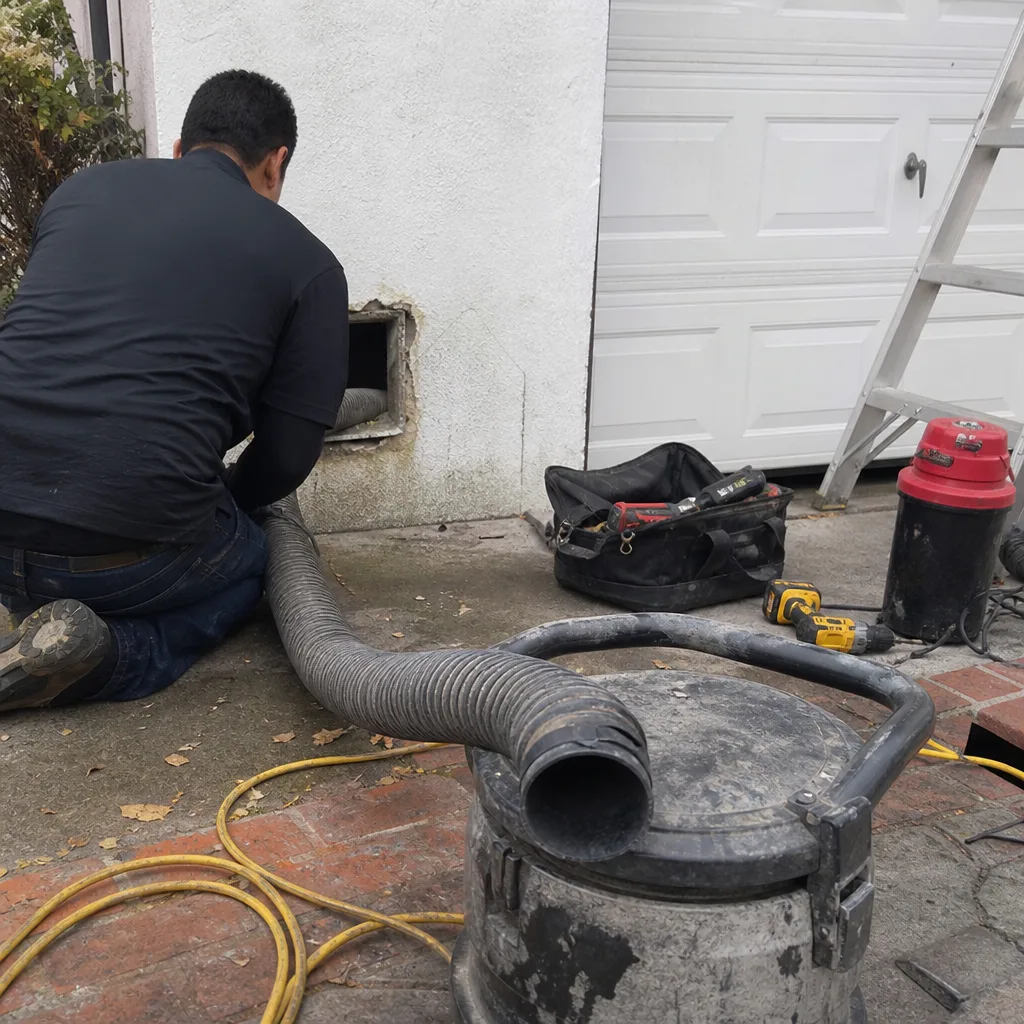
Whole-system duct and dryer vent check with before-and-after photos - you see exactly what came out of your vents
That "$99 whole-house special" is a bait ad - the real number appears once they are in your hallway, or the "clean" is a shop-vac at the register. We photograph the inside of your ducts before and after instead.
Seasonal Air Duct Cleaning Care for Encino: Year-Round Homeowner’s Guide
Telling an Encino homeowner to “clean the ducts in spring and fall” assumes a temperate climate with four balanced seasons. The San Fernando Valley doesn’t work that way. Your system may run cooling from April through October and heat only sporadically, which means dust, smoke residue, and settled particulate build on an entirely different schedule than the standard advice assumes. A care plan built around the Valley’s real cycle looks nothing like the generic spring/fall checklist you’ll find on most websites. This guide lays out that cycle month by month: when to prepare before fire season, what to check after it, how to start the furnace without aerosolizing a year of settled dust, and how a wet winter changes the moisture picture inside your ductwork. By the end you’ll know exactly which tasks belong in which window and which ones can wait.
Quick Answer
In Encino, the two highest-value duct care windows are late spring (May to June), when you prepare the system before peak wildfire smoke season, and late fall (November), when you assess what a season of smoke and dust left behind before switching to heating. A full professional cleaning once a year covers most homes, but the filter upgrades, coil checks, and duct integrity inspections that matter most shift with the season. Homes near heavy traffic corridors or with pets, allergy sufferers, or recent remodeling need more frequent attention.
Styles & brands we work with
- Whole-home duct cleaning
- Dryer vent cleaning
- Camera inspection
- Sanitizing & deodorizing
Table of Contents
- Why Encino’s Climate Changes the Duct Cleaning Calendar
- Pre-Fire-Season Preparation: May and June
- Post-Fire-Season Assessment: November
- Winter Heating Startup and Settled Particulate
- Rainy Season and Moisture Risk in Ductwork
- How to Adjust Filter MERV Ratings Seasonally
- Neighborhood-Level Differences Across Encino
- What a Professional Seasonal Service Actually Involves
Why Encino’s Climate Changes the Duct Cleaning Calendar
Encino sits in the San Fernando Valley, which means long, hot, dry summers and a short, cool, occasionally wet winter. That’s not four seasons. It’s two stress periods and two transitions, and each one loads your ductwork differently.
The first stress period runs roughly April through October, when the air conditioner carries the load. During those months, the system pulls outside air and dust through the return side continuously. Add wildfire smoke from surrounding mountains and the Santa Ana wind events that push it into the Valley, and your return ducts become a collection point for fine particulate that never fully clears on its own. The second stress period is the rainy window, typically December through March in wet years, when moisture and closed-up houses create a different set of conditions.
The two transition periods are what most homeowners ignore. In late spring, before the cooling season peaks, the system is about to work hard for months. In late fall, before the furnace takes over, whatever accumulated over the summer is sitting in the ducts, waiting to be pushed into living spaces. Those two moments are when a seasonal plan earns its keep.
Encino homes also tend to run their HVAC systems longer than the national average because of the extended cooling season. Longer runtime means more air cycles through the ductwork, and more opportunities for dust to settle in the low spots, the flex runs, and the return plenum. Knowing that, the question isn’t whether to clean, it’s when in the year the cleaning does the most good.
Pre-Fire-Season Preparation: May and June
May and June are the single most important service window for Encino homes. Here’s why: once fire season arrives and smoke settles into the Valley, a system with dirty return ducts and a clogged filter recirculates that smoke instead of filtering it. Preparing before the smoke arrives is cheaper and far more effective than trying to undo the damage in October.
A proper pre-fire-season service covers three things:
- Duct integrity check. Leaks and gaps in the duct system pull air from unconditioned spaces like attics and crawlspaces. That’s where a lot of the dust and smoke make their way in. Sealing those gaps before the season keeps the system from drawing contaminated air it then distributes through the house.
- Coil cleaning. The evaporator coil is where condensation happens and where a film of dust and biological growth can build up over a cooling season. A dirty coil cuts efficiency and gives particulate a place to stick. Cleaning it before the heavy cooling months keeps the system running closer to its rating.
- Filter upgrade and full duct cleaning. This is the window to do the deep cleaning that removes the settled material from the returns and supply runs. Our Air Duct Cleaning Encino service uses dual professional-grade extraction: Rotobrush rotary-brush equipment to dislodge material from duct walls and Nikro HEPA vacuum equipment to capture it rather than blow it back into the room. Doing this in late spring means the system starts the season with clean surfaces.
If your home has had remodeling dust or a recent move-in, this is also the moment to schedule a full-system clean before the busy season. Contractors in the Valley book up fast once the heat arrives, so late spring is a practical timing choice as well.
Post-Fire-Season Assessment: November
By November, Encino homes have been through months of cooling-season runtime and whatever smoke the season delivered. Before you switch the thermostat to heat, that accumulated material needs to be assessed. Running the furnace after a heavy smoke year without checking the ductwork is how a lot of homeowners end up smelling something burnt that has nothing to do with the furnace itself.
A post-fire-season assessment covers:
- Filter condition and replacement. A filter that’s been through a smoke event is loaded. Replace it before the heating season starts, not after you notice a smell.
- Return and supply duct inspection. Look for visible soot or fine grey dust inside grilles and the first section of duct. A visible film in the return is a sign the system pulled in more than it should have.
- Blower and cabinet check. The blower wheel and the air handler cabinet collect particulate. A dirty blower reduces airflow and can make the system noisy or inefficient.
- Smoke odor assessment. Persistent odor after a smoke event usually means the source is still in the system, not in the air. Cleaning and, in some cases, a sanitizing treatment addresses it at the source.
If the assessment turns up significant contamination, this is the window to schedule a full cleaning before the furnace goes into regular use. Cleaning after fire season rather than before means you’re removing what actually accumulated, not what you expect might. A November clean also sets up a fresh start for the heating months, which matters because of how settled particulate behaves once heat is on.
Winter Heating Startup and Settled Particulate
Here’s a fact about forced-air systems that surprises a lot of Encino homeowners: ducts that sat idle through the cooling season, or that only carried cool air, accumulate settled particulate in the horizontal runs and low spots. When you switch to heat for the first time, that material gets stirred up and pushed into living spaces. The first few days of heating season are when indoor particulate levels can actually spike.
That’s why the transition into winter is a window worth planning around. If you did a post-fire-season cleaning in November, the ducts are clear and the first heat cycle distributes clean air. If you skipped it, the first heat cycle is when you discover what built up over the summer. The smell people describe as “dusty” or “burnt” on the first heat of the year is usually exactly this: settled particulate hitting a hot heat exchanger and the supply runs.
For Encino homes that heat only sporadically, the buildup is slower but the on-off pattern matters. A furnace that runs for a week, sits for two, then runs again keeps re-aerosolizing the same settled material. A clean system removes the source.
If your heating startup is accompanied by persistent odor, visible dust from the registers, or a system that seems to push less air than it should, that’s a sign the ductwork needs attention before you rely on it through the winter. Our technicians have up to 13 years of experience with exactly this kind of seasonal transition work, and we can tell you from the condition of your ducts whether a cleaning is the right call or whether a repair and sealing job is what’s actually needed.
Rainy Season and Moisture Risk in Ductwork
Encino’s rainy window is short, but in wet years – the El Niño years in particular – it’s long enough to matter. The risk isn’t water flooding your ducts. It’s condensation and humidity inside the duct system itself. When outdoor air is damp and the system cycles on and off, the cold surfaces inside the ductwork can collect moisture. Dust plus moisture is the recipe for biological growth, and once that starts in a duct run, no amount of filter changing fixes it.
Signs to watch for during and after the rainy season:
- Musty or earthy odor when the system runs, especially the first time it comes on after a wet stretch.
- Visible condensation or dampness on duct surfaces, registers, or the air handler cabinet.
- Water stains near the air handler or on the ceiling below attic ductwork.
- Increased allergy symptoms during or after wet weeks, which can point to biological growth in the system.
Addressing moisture risk means checking duct insulation and sealing, confirming the system is draining condensate properly, and in some cases running a humidity control solution. We work with Aprilaire and Honeywell air quality products, which lets us add whole-home humidity control as a natural next step when moisture is the underlying problem. If you suspect growth has already started, sanitizing treatment is the right follow-up to a full cleaning. The abatement-grade equipment we keep on hand is what makes it possible to handle contamination concerns beyond ordinary dust in residential settings.
How to Adjust Filter MERV Ratings Seasonally
Filter advice online is usually a single recommendation for all seasons. In Encino, the right filter MERV rating shifts with the season and with the outdoor air quality trends along the 101 and 405 corridor. The freeway corridor is the reason the air basin here can run worse than what the weather forecast suggests, and the filter is your system’s frontline defense.
A practical seasonal approach:
- Cooling season (April to October): Run a higher MERV filter – MERV 11 to MERV 13 is a reasonable target for many homes – to catch the fine particulate that comes with traffic exposure and smoke. Check that your system’s blower can handle the higher restriction before committing; a filter that’s too restrictive for the equipment can reduce airflow.
- Shoulder months (March and November): These are good windows to check the filter more frequently and replace if it’s loaded. Outdoor air quality can be more variable here, so a visual check is worth more than a fixed schedule.
- Rainy season (December to February): A standard MERV 8 to MERV 11 usually handles the lighter particulate load, and lower restriction helps with humidity management. Check for dampness at the filter slot.
- Smoke event: During heavy smoke days, change the filter once the event passes. A filter that pulled heavy smoke doesn’t recover, it just stays loaded.
The filter is only as good as the ductwork around it. A filter upgrade on a system with leaky return ducts doesn’t deliver the intended result, because unfiltered air bypasses the filter. That’s why a duct integrity check belongs alongside any filter plan, and why we offer air duct cleaning and sealing together rather than as separate visits.
Neighborhood-Level Differences Across Encino
Encino isn’t uniform. Homes closer to the 101 and 405 corridor – the areas around Ventura Boulevard and the freeway-adjacent pockets – see more traffic-related particulate and benefit from a higher MERV filter and more frequent cleaning. Homes set back into the hillside streets north of Ventura Boulevard, with more mature trees and larger lots, deal with more organic debris, leaf litter, and pollen drawn into the system.
Home age matters too. Older Encino homes often have ductwork that has been modified, extended, or patched over the decades, which is where leaks and disconnected runs show up. Newer construction in the Valley tends to use tighter flex duct with fewer obvious leaks but more low spots where dust settles. Both conditions point to the same tool: an inspection that maps the system and finds where the problems actually are. The HVAC cleaning side of the job covers the equipment, and the duct work covers the distribution. Doing both together is more useful than doing either alone.
If you own a rental property or manage one in Encino, the seasonal plan is even more valuable. A single annual service that aligns with the pre-fire-season window keeps tenants comfortable and reduces the chances of a mid-summer complaint about air quality. Landlords who document the work also have a record of the condition of the system, which is useful at turnover.
What a Professional Seasonal Service Actually Involves
A seasonal service isn’t a single task. It’s a sequence, and the order matters. Here’s how a full-system job typically runs:
- System inspection. We map the duct runs, check for disconnected sections, and identify the return and supply layout before any cleaning begins.
- Source capture. HEPA vacuum equipment is connected at the system to capture dislodged material, so it doesn’t migrate into the house.
- Mechanical agitation. Rotary-brush equipment is run through the duct runs to dislodge material stuck to the walls, with the vacuum capturing it as it comes loose.
- Component cleaning. The blower, coil, and air handler cabinet are cleaned as part of the HVAC side of the job.
- Repair and sealing. Any leaks, gaps, or damaged sections found during the inspection are addressed in-house, so the system doesn’t leak unfiltered air after the cleaning.
- Sanitizing treatment. Where warranted, a documented antimicrobial treatment is applied to address biological growth or heavy contamination.
- Air quality follow-up. For homes that need it, we install whole-home filtration or humidity control from Honeywell or Aprilaire as the next step after cleaning.
We also handle dryer vent cleaning as part of a full seasonal service, since the dryer vent is the other major exhaust path in the house and accumulates lint on a similar seasonal cycle. Your entire forced-air system, plus the dryer vent, handled in one visit is a more efficient way to structure the year than spreading the work across multiple contractors.
The equipment matters here. Rotobrush and Nikro systems are the same professional-grade equipment specified in commercial cleanings, and having Abatement Technologies equipment on hand means we can handle jobs with contamination concerns beyond ordinary dust without referring out. Not every residential duct cleaner carries that capability. We find the problem, then fix it, rather than cleaning around an issue that will come back.
Common Mistakes to Avoid
- Cleaning at the wrong time of year. A full cleaning in late fall after a heavy smoke season removes what actually accumulated. Cleaning in early spring, before the smoke arrives, leaves you dirty for the season. Time the deep clean to the calendar, not to a promotional offer.
- Upgrading the filter without checking the duct system. A high-MERV filter on a system with leaky return ducts lets unfiltered air bypass the filter entirely. Check for leaks first.
- Treating a musty smell as a filter problem. Mustiness after a wet winter usually points to moisture inside the system, not the filter. It needs a moisture assessment, not a new filter.
- Skipping the heating startup check. Running the furnace for the first time without confirming the ducts are clear of settled particulate pushes that material into living spaces. A pre-heating check is worth the time.
- Assuming a new home doesn’t need service. New construction in the Valley can leave construction dust in the ductwork, and flex runs can have low spots that collect material. A first-year inspection is a reasonable step for new Encino homes.
- Cleaning the ducts but ignoring the dryer vent. The dryer vent is a fire-safety path and accumulates lint on its own schedule. A seasonal plan should cover both exhaust paths.
- Choosing the cheapest quote and assuming it covers the system. A low headline price often means a partial job. Ask what’s included: are the returns covered? Is the blower cleaned? Is there a repair allowance? The written estimate should answer all three before work starts.
See the difference
 Before
 After
 Before
 After
 Before
 After
When to Call a Professional
Some seasonal tasks are yours to handle: filter changes, visual checks at the registers, and watching for moisture signs after wet weather. Others need professional equipment. Call a professional when you notice persistent odor when the system runs, visible dust blowing from the registers, condensation or water staining near the air handler, a system that seems to push less air than it used to, or a seasonal transition where you want the ducts assessed before fire season or before heating startup. A post-smoke-event assessment is worth a call too, especially after a heavy year. Air Duct Cleaning Encino offers free estimates in Encino – call (877) 492-1986. We answer 24/7. Fast dispatch from 7am to 7pm, Sunday through Friday.
Frequently Asked Questions
Once a year covers most Encino homes, timed to late spring before fire season or late fall after it. Homes near the 101 or 405 corridor, homes with pets or allergy sufferers, and homes that have had recent remodeling may need more frequent service. The seasonal timing matters more than a fixed number of months. Call (877) 492-1986 for an exact quote; estimates are free.
Both have value. Pre-fire-season cleaning in May or June prepares the system before peak smoke exposure, while post-fire-season cleaning in November removes what actually accumulated. If you have to choose one, the pre-season cleaning protects the system during the period of highest exposure. Call (877) 492-1986 for an exact quote; estimates are free.
Settled particulate that accumulated over the cooling season gets stirred up and pushed through the supply runs when the furnace first runs. The odor is usually the dust hitting the heat exchanger and warm duct surfaces. It’s a sign the ducts need cleaning before the heating season starts. Call (877) 492-1986 for an exact quote; estimates are free.
Yes, in wet years. Condensation on cool duct surfaces plus accumulated dust creates the conditions for biological growth. Musty odor and visible dampness are the signs to watch. A moisture assessment and sanitizing treatment after a full cleaning addresses it. Call (877) 492-1986 for an exact quote; estimates are free.
A MERV 11 to MERV 13 filter is a reasonable target for many homes during heavy smoke periods, provided your system’s blower can handle the restriction. Change the filter after a smoke event ends rather than leaving a loaded filter in place. The duct system should be checked for leaks so the filter actually does its job. Call (877) 492-1986 for an exact quote; estimates are free.
Ask for before-and-after photos of your own ducts. A professional service should document what it found and what it removed, and the written estimate should spell out the scope before work starts. That’s how you answer the bait-and-switch concern directly: one flat price per system, agreed before work begins, with photos as proof. Call (877) 492-1986 for an exact quote; estimates are free.
The Bottom Line
In Encino, duct care isn’t a spring-and-fall checklist. It’s a two-window plan: prepare before fire season in May and June, assess after it in November, and handle the heating startup and rainy-season moisture checks in between. Filter MERV ratings should follow the outdoor air quality along the 101 and 405 corridor, not a fixed annual schedule. And the cleaning itself should cover the whole forced-air system – returns, supplies, HVAC components, dryer vent, and any repairs and sealing needed – not a partial job that leaves the underlying problems in place. Get the timing right and the equipment right, and the year takes care of itself.
If you’re not sure which window you’re in, or what your system needs, call (877) 492-1986 for a free estimate. We answer 24/7. Fast dispatch from 7am to 7pm, Sunday through Friday.
Written by the team at Air Duct Cleaning Encino.