
Last updated November 22, 2026
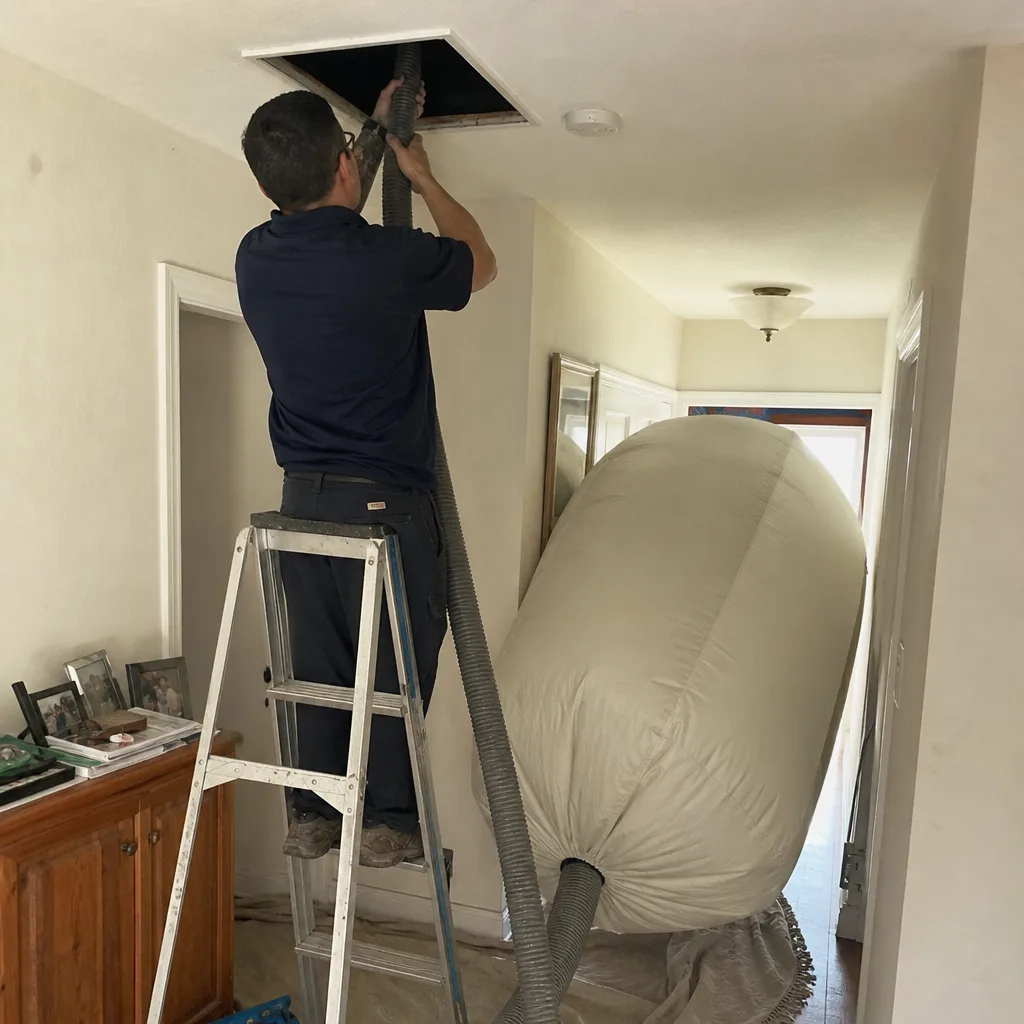
 Whole-home duct cleaning
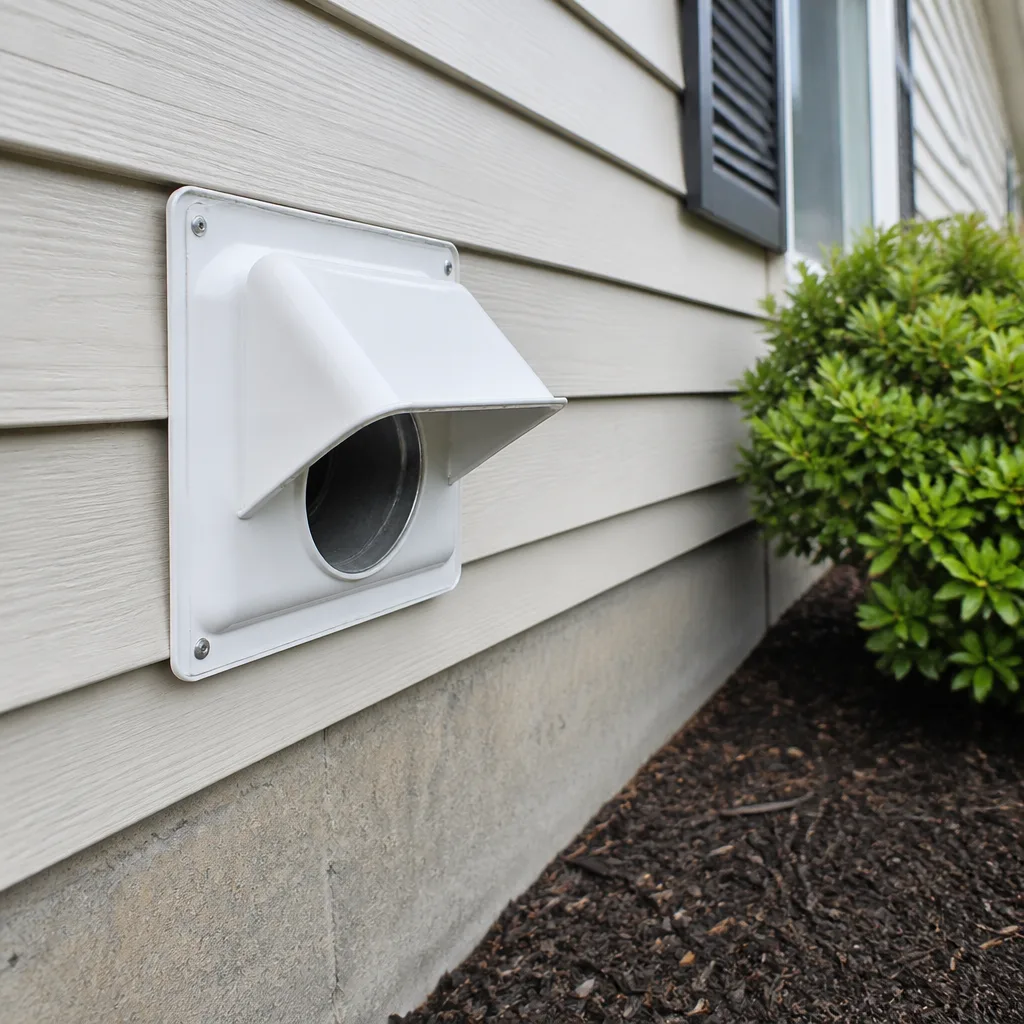 Dryer vent cleaning
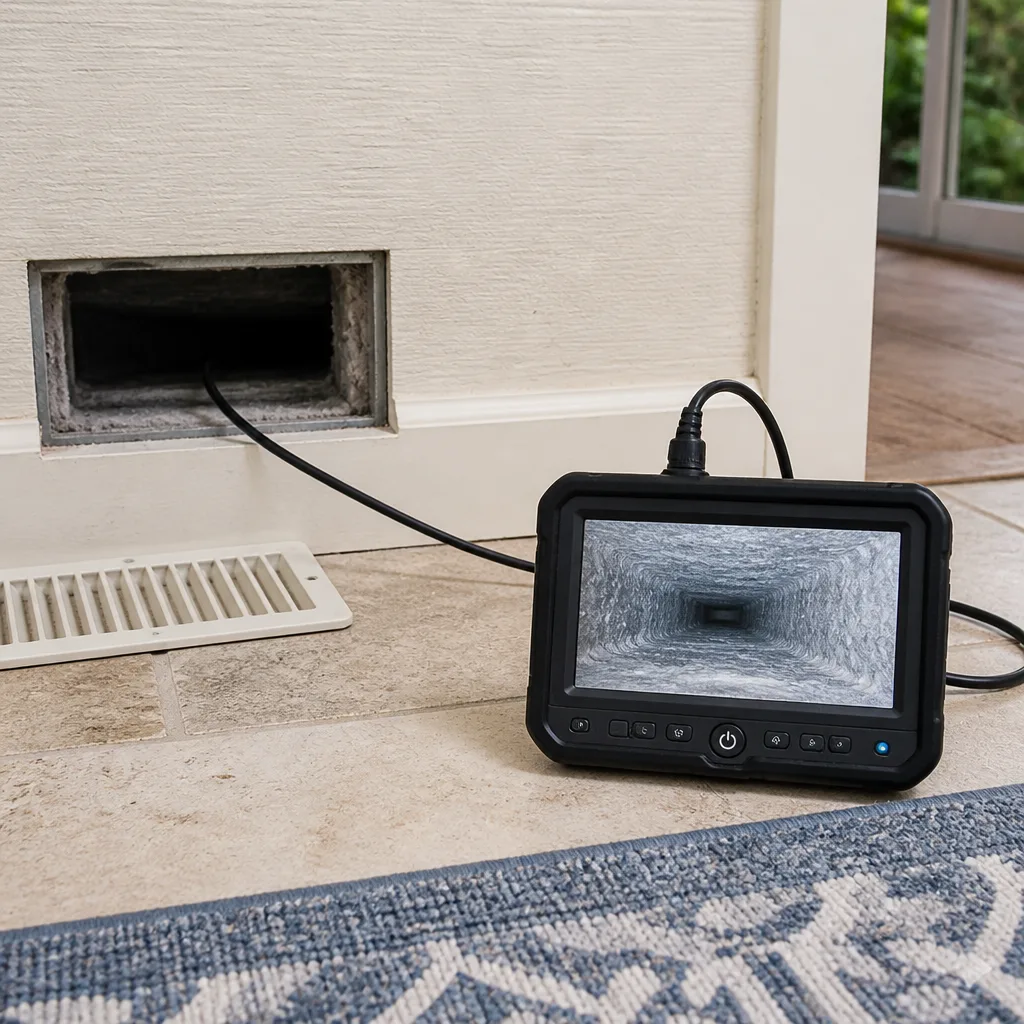 Camera inspection
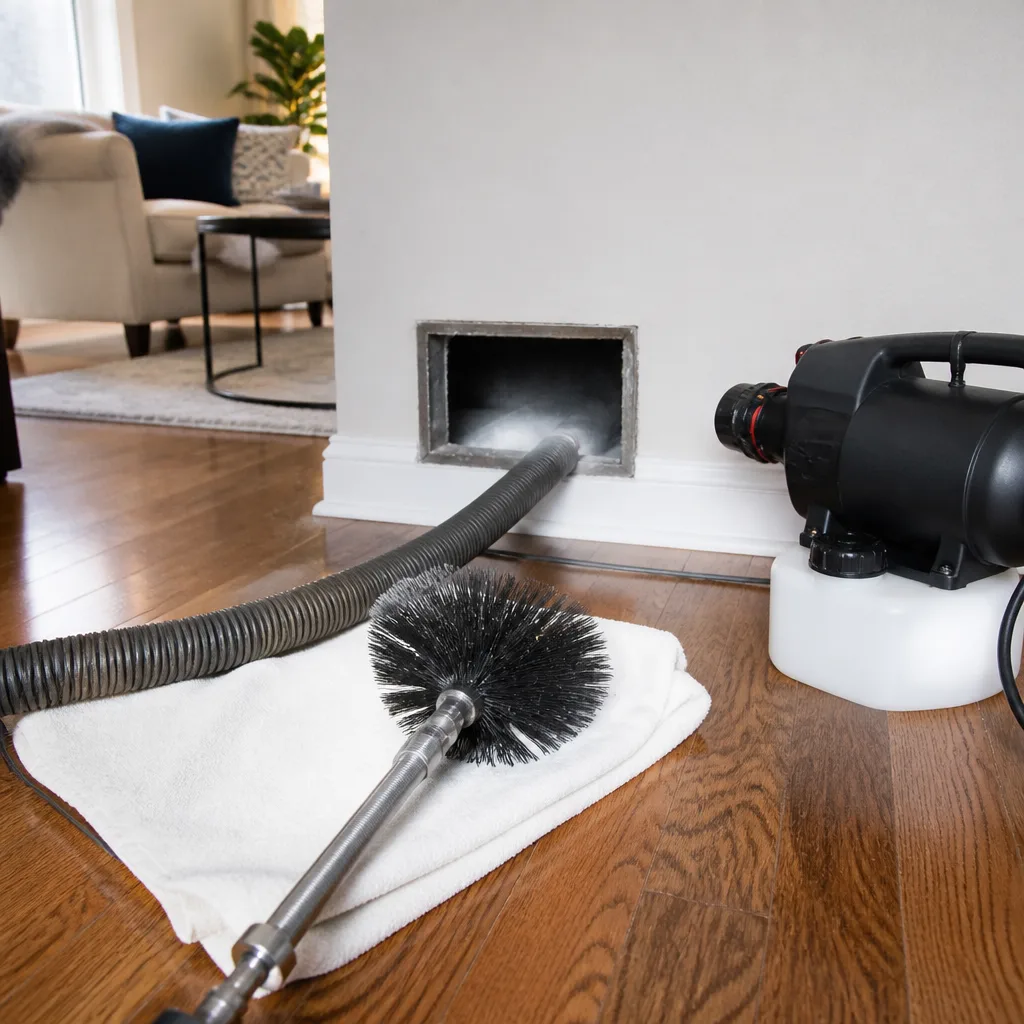 Sanitizing & deodorizing
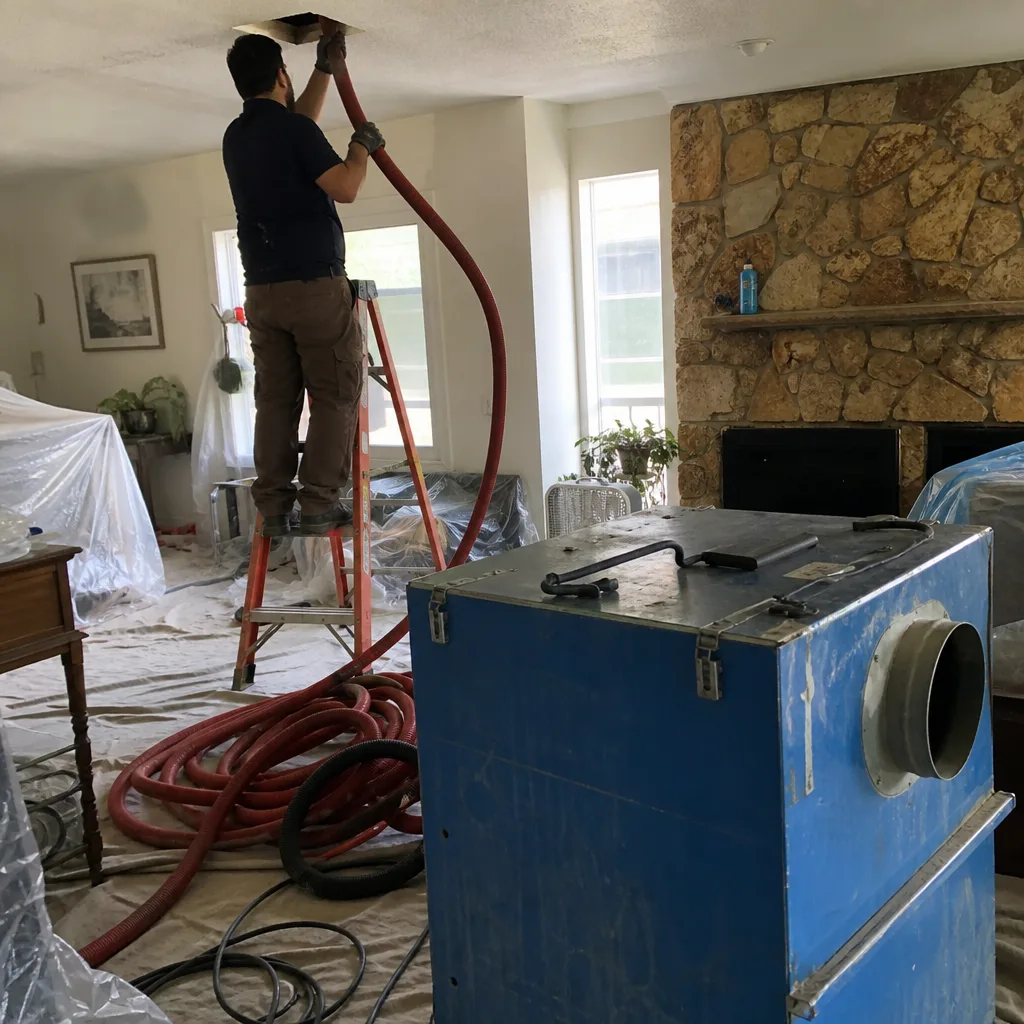
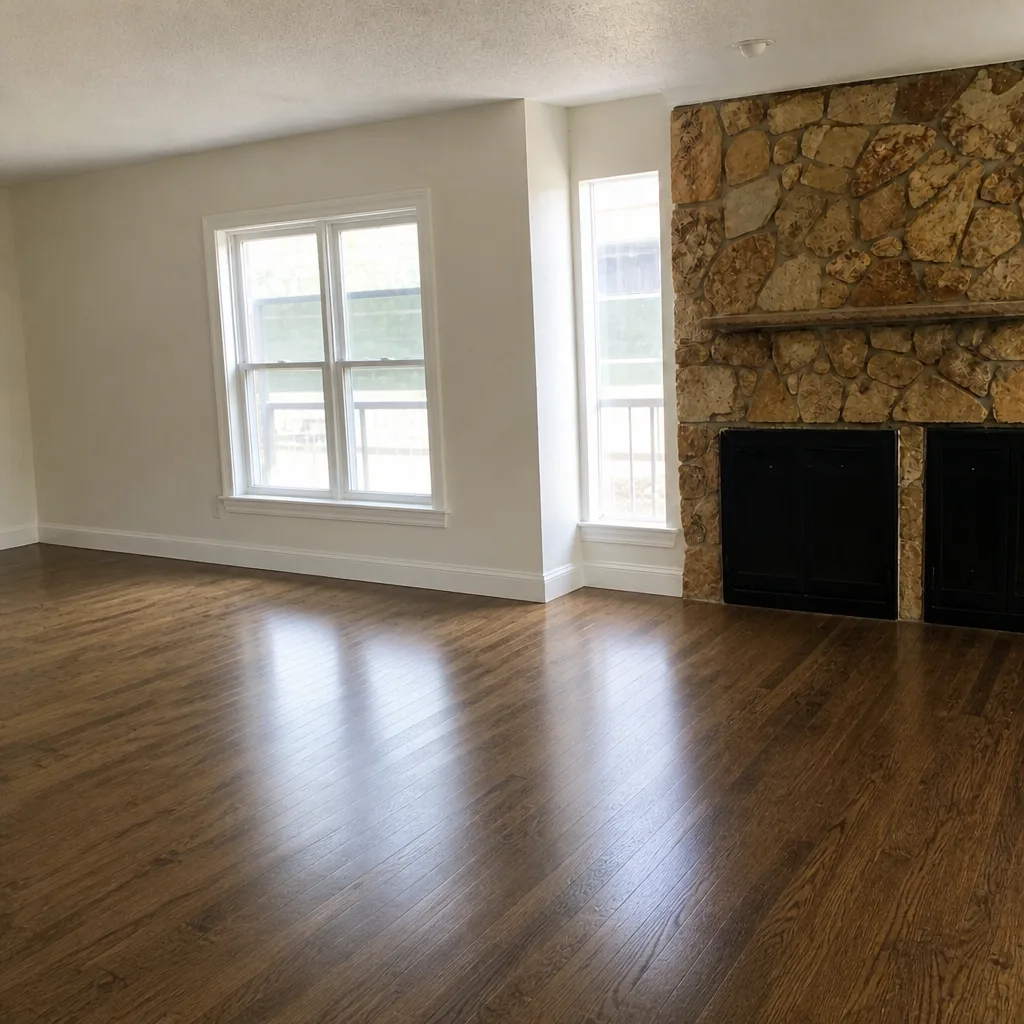
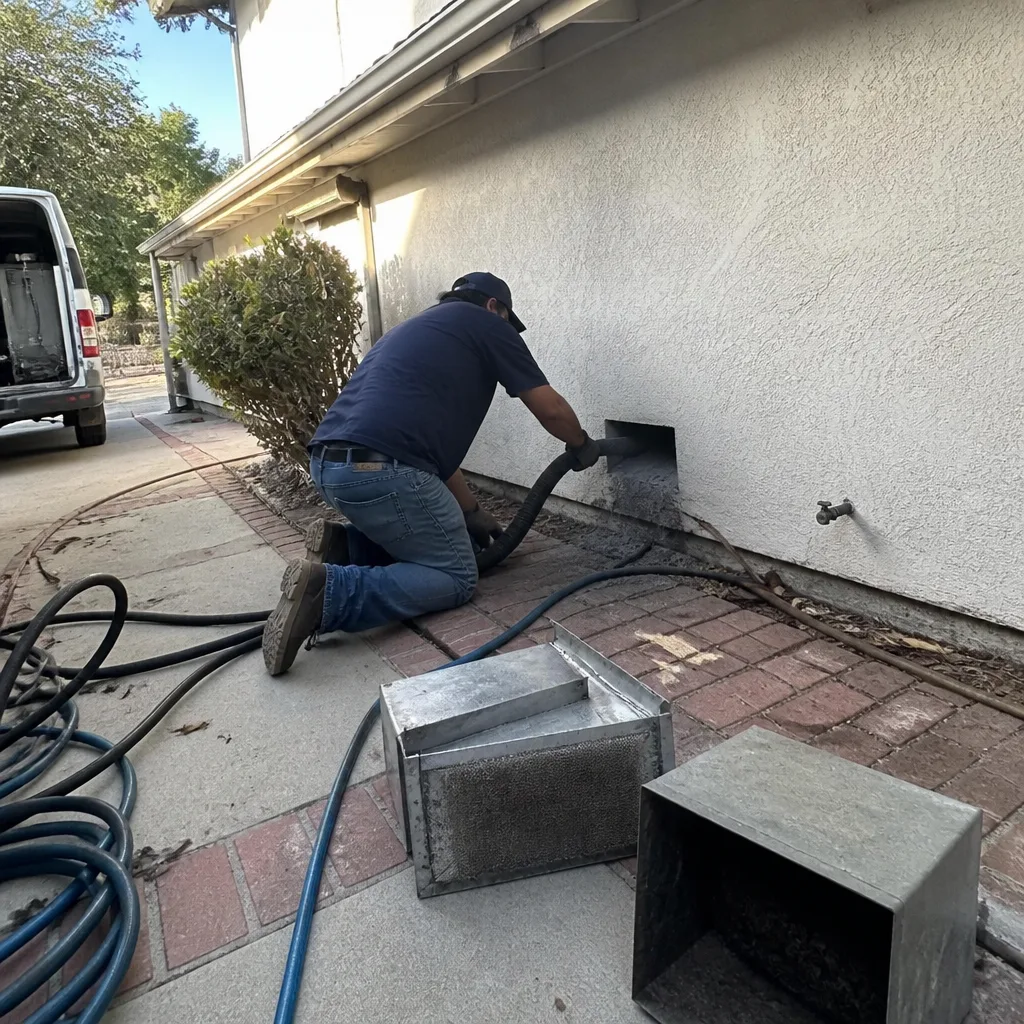
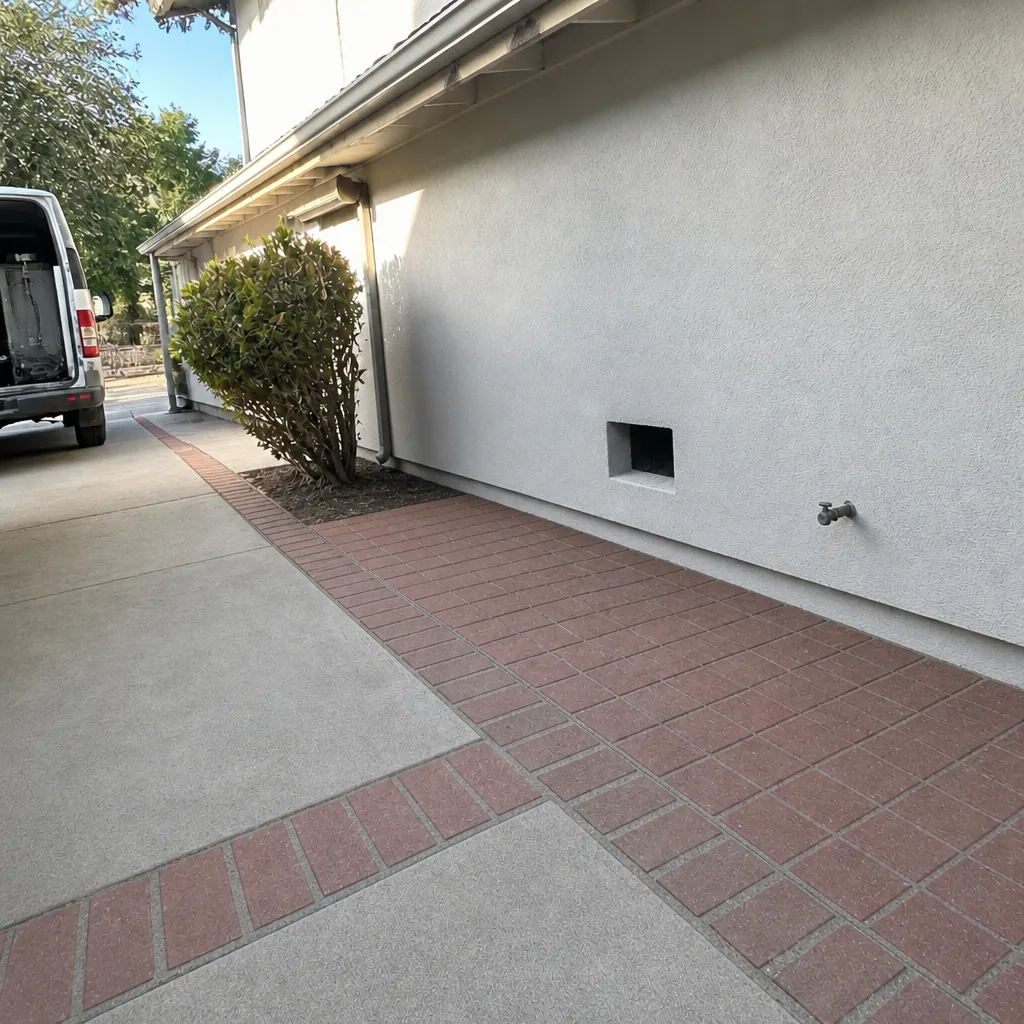
Whole-system duct and dryer vent check with before-and-after photos - you see exactly what came out of your vents
That "$99 whole-house special" is a bait ad - the real number appears once they are in your hallway, or the "clean" is a shop-vac at the register. We photograph the inside of your ducts before and after instead.
Air Duct Cleaning Maintenance Checklist for Encino Homeowners
A checklist that says “clean your ducts every three to five years” is useless the week a Woolsey-class fire pushes smoke into the Valley and PM2.5 readings climb into hazardous territory for days on end. Encino homes don’t run on a calendar. They run on conditions: steady inland heat, a long dry season, dust that arrives on the Santa Ana winds, and the occasional smoke event that settles into every return grille in the house. This guide replaces the generic reminder with a condition-based inspection log, the kind you can actually keep in a folder. You’ll learn what to check yourself, when to escalate, and how to track your system over time.
Quick Answer
Encino homeowners should inspect their duct system and air handler on four triggers rather than a fixed date: after any major wildfire smoke event, after renovation or remodeling work, at the annual HVAC startup before cooling season, and at a standard multi-year interval for routine dust accumulation. At each checkpoint, record filter condition, register airflow, and visible dust at the air handler cabinet so you build a baseline you can compare against later.
Styles & brands we work with
- Whole-home duct cleaning
- Dryer vent cleaning
- Camera inspection
- Sanitizing & deodorizing
Table of Contents
- The Four-Trigger Inspection Schedule
- What to Check at the Registers
- The Air Handler Cabinet: Your Most Useful Inspection Point
- The Return Plenum and What It Tells You
- Filter Intervals Calibrated to Encino, Not the Box
- Coil and Drain Pan Checkpoints Most Homeowners Skip
- Documenting Duct Condition Over Time
- When the Checklist Says “Call”
The Four-Trigger Inspection Schedule
Calendar-based advice falls apart in Encino because the two biggest contamination events here aren’t seasonal, they’re episodic. A fire in the hills west of the Valley can smoke out the basin with little warning, and a kitchen remodel dumps drywall dust into the return air path over the course of weeks. A tiered schedule handles both.
- Post-wildfire-smoke event. Inspect within about a week of the smoke clearing. Check filters, look for ash residue on return grilles, and note any smoke smell that persists after the windows have been closed for a few days with the system running.
- Post-renovation. Inspect as soon as the last of the sanding and drywall work is done, before you run the system for any length of time. Construction dust is heavier and more abrasive than ordinary household dust.
- Annual HVAC startup. Before you start leaning on the system for cooling season, walk the whole path once. This is the single best time to establish your year-over-year baseline.
- Standard multi-year interval. For a household with no pets, no smokers, and no recent events, a full professional cleaning every several years is reasonable. Households with shedding pets, allergy sufferers, or heavy occupancy should shorten that interval.
The point isn’t that one trigger replaces another. It’s that the events stack. An Encino home that had a kitchen remodel in spring and a smoke event in fall has accumulated far more than a year’s worth of ordinary load, and the checklist should reflect that. For the full scope of what a professional visit covers, see our Air Duct Cleaning Encino page.
What to Check at the Registers
Registers are your cheapest diagnostic tool because you can inspect them without tools and without climbing into the attic. What you’re looking for is a signal, not a verdict: a finding at a register tells you to look further up the system, it doesn’t tell you the ducts are dirty.
What to look at, and what it means
- Visible dust on the grille face. Light, even film is normal and wipes off. A thick, fibrous mat, or dust that reappears within days of wiping, points to a source upstream.
- Dark streaking around the grille edges. Air escaping around the frame instead of through the louvers carries dust with it. That’s a sealing issue as much as a cleanliness one.
- Weak airflow at one register versus others. A single weak register suggests a disconnected or crushed branch duct, not general contamination. Worth flagging for a repair inspection.
- Ash or soot residue. After a smoke event, fine grey residue inside the grille collar is the marker that material has entered the duct path, not just landed on surfaces.
- Musty or stale odor when the system starts. Odor on startup usually traces back to the air handler or the evaporator coil, not the ducts themselves.
Record what you find at each register by room. Two minutes with a notepad and a phone camera gives you a comparison point for the next inspection. If several registers show the same pattern, the source is almost certainly centralized. That’s the moment to think about a full-system assessment rather than spot cleaning.
The Air Handler Cabinet: Your Most Useful Inspection Point
If you only inspect one thing, inspect the air handler cabinet. It sits at the center of the system, it’s where the return air arrives and the supply air leaves, and its condition tells you more about the state of your ducts than anything else in the house. In Encino, where the cooling equipment runs hard for a long stretch of the year, the cabinet gets a lot of traffic.
What to check, safely
Turn the system off at the thermostat before you open anything. If your air handler is in a closet or garage, the access panel is usually removable without tools; some are secured with screws. Do not open a cabinet that shows scorching, burning smell, or damaged wiring. Call a professional for that.
- Filter condition and fit. A filter that’s bypassing around the edges is letting dust through even when it looks clean. Check that the filter seats fully in its frame.
- Dust on the blower wheel and cabinet interior. A light coating is normal. A thick, greasy, or matted layer on the blower wheel means the motor is working harder than it should.
- Condensation or moisture. Any standing water, rust, or damp insulation inside the cabinet is a problem to address regardless of duct condition.
- Insulation condition. Torn or collapsed interior insulation can shed fibers into the airstream. Look for it.
- Gaps at the cabinet seams. Air leaking out of the cabinet is air you paid to cool and are losing. Gaps also let unfiltered air in.
Record the findings the same way you did at the registers. If the blower wheel is loaded and the cabinet has visible gaps, you’re looking at a cleaning plus a sealing job, and those are best handled together. Duct repair and sealing is work we do in-house, so a leak found during cleaning gets fixed on the spot rather than referred out. The HVAC cleaning page walks through what a full unit cleaning includes.
The Return Plenum and What It Tells You
The return plenum is the large duct section that feeds air back into the air handler, and it’s the part of the system that collects the most debris because everything the return grilles pull in passes through it. In Encino, where a lot of homes have the air handler in a garage or a closet with a short return run, the plenum can load up faster than the supply side.
What to look for
- Visible dust accumulation on the plenum interior walls. You can often see this through a return grille with a flashlight, no disassembly needed.
- Debris resting on the bottom of the plenum. Loose material that has settled rather than clung is a sign the heavy load has exceeded what the airflow can carry.
- Separated seams or tape failure. Duct tape that has dried and peeled at the plenum connections is common in older Valley homes and is a direct leak path.
- Pest evidence. Droppings, nesting material, or entry points. This escalates the job from cleaning to remediation-level work.
If the plenum shows heavy accumulation, that’s the strongest argument for a professional cleaning that addresses the whole system rather than just the visible runs. Our air duct cleaning service covers supply and return sides together, because cleaning one without the other just moves the problem.
Filter Intervals Calibrated to Encino, Not the Box
The manufacturer’s “change every three months” advice assumes an average suburban house in an average climate. Encino isn’t average on either count. The dry season, the dust that comes in on the winds, and the periodic smoke events all push the filter harder than the box anticipates. The interval should move with conditions.
How to set your own interval
- Start with a one-month check. Pull the filter and hold it up to a light after 30 days. If you can’t see light through it clearly, your interval is too long.
- Shorten it after any smoke event. A heavy smoke week can load a filter in days. Change it once the smoke has cleared and again a few weeks later to catch what settled.
- Shorten it during renovation. Change the filter when the sanding starts, midway through, and at the end. Construction dust is the fastest filter killer there is.
- Match the filter to the system. A very high-MERV filter can restrict airflow on a system not designed for it. Ask what your equipment can handle rather than buying the highest number on the shelf.
Write your actual change dates on the filter frame with a marker when you install it. It sounds almost too simple, but a date on the filter is the difference between a real interval and a guess. For households where a standard filter isn’t keeping up, whole-home filtration through Honeywell or Aprilaire equipment is a next step worth discussing after the ducts are clean. Cleaner air starts at the source, and the filter is downstream of that.
Coil and Drain Pan Checkpoints Most Homeowners Skip
Here’s the part of the checklist almost everyone leaves out, and it matters more than most of what’s above. The evaporator coil sits in the airstream and the drain pan sits beneath it. When the coil is dirty, it can’t transfer heat efficiently, the system runs longer, and the air moving past it picks up whatever has collected there. A dirty coil is a contamination source you’re circulating through every room.
What to check
- Coil fin condition. Look at the coil from the accessible side. Fins packed with dust or matted lint need professional cleaning, not a homeowner scrub, since the fins bend easily.
- Drain pan standing water. Water that won’t drain points to a clogged drain line. Standing water plus a warm Valley garage is a recipe for biological growth.
- Pan condition. Rust-through or cracks mean the pan needs replacement. A pan that leaks into the cabinet is a bigger problem than the ducts.
- Drain line flow. If you can safely access the end of the drain line, confirm it’s flowing. Don’t blow compressed air into a drain line unless you know what’s downstream of it.
This is one area where we’d rather you stop and call than probe further. Wet electrical components, refrigerant lines, and fragile coils are not homeowner territory. What you can do is check the pan for standing water once a month during cooling season and note it. A clean, dry pan and a clean coil are the foundation for anything you do to the ducts.
When the coil and cabinet need more than a wipe-down, our dryer vent cleaning and HVAC services together cover the full forced-air system. The same visit can address the dryer vent, which is a separate fire-safety concern that belongs on any annual checklist for an Encino home.
Documenting Duct Condition Over Time
A checklist is only as good as its record. Without a baseline, “the ducts look dirty” is a feeling, not a finding. And when it comes to insurance or a warranty conversation after smoke or fire damage, a dated record of what the system looked like before and after is far more useful than a memory.
What to record
- Date and trigger. Note what prompted the inspection: smoke event, renovation, annual startup, or routine.
- Photographs at each register. Same angle each time, so you can compare. A photo of the grille face and a photo looking into the collar with a flashlight.
- Air handler interior photos. Blower wheel, cabinet walls, filter condition, before you change it.
- Filter brand, MERV rating, and install date. Written on the frame and in the log.
- Any professional service receipt and the before-and-after photos the contractor provided. Keep these together.
Photographs of your own ducts before and after a professional cleaning are the most reliable proof that the work was actually done, and a written log is what makes those photos meaningful over years. We provide before-and-after photos of your own system as part of every job, and those photos belong in your folder alongside your own inspection notes. For any insurance conversation after a smoke or fire event, the folder with dated photos and receipts answers questions that a memory can’t.
When the Checklist Says “Call”
Some findings are a note in the log, some are a call. Here’s the dividing line we’d draw for an Encino home.
- Call for a free estimate if you find heavy accumulation in the return plenum, a matted blower wheel, visible ash or soot inside registers after a smoke event, pest evidence, or separated duct seams.
- Call before you run the system if the air handler cabinet shows moisture, rust, scorching, or damaged insulation.
- Call if your filter loads within days of a change, or if the same pattern shows at several registers at once.
- Note it and keep watching if you see only light, even dust film or a single weak register that hasn’t changed since the last inspection.
Do not open electrical panels, disconnect refrigerant lines, or work inside the air handler if you’re not sure what you’re looking at. Those are jobs for a trained technician, and getting them wrong can damage the system or create a real hazard. What you can do safely is look, photograph, and record.
Common Mistakes to Avoid
- Treating “every three to five years” as a rule. In Encino, a smoke event or a remodel resets the clock, and the calendar interval ignores both. Build your schedule around triggers, not dates.
- Cleaning the ducts without checking the coil and drain pan. A clean duct system feeding air past a dirty coil just recirculates the same contamination. The coil is part of the system.
- Running the system during renovation without a filter plan. Construction dust is fine, heavy, and abrasive. Change filters at the start, middle, and end of the work, and keep the system off when the sanding is active.
- Buying the highest-MERV filter on the shelf. A filter too restrictive for your equipment cuts airflow, and a system that can’t move air can’t cool. Match the filter to the system.
- Wiping a register and calling it clean. The grille face is the last place dust lands, not the first. Look into the collar with a flashlight before you decide the duct is fine.
- Skipping the log. A folder with dated photos and receipts is what makes a future decision easy, and what makes an insurance claim after smoke damage straightforward.
- Hiring on the phone quote alone. The right question isn’t the price, it’s the process and the equipment. Ask what they use and whether you’ll get before-and-after photos of your own system.
See the difference
 Before
 After
 Before
 After
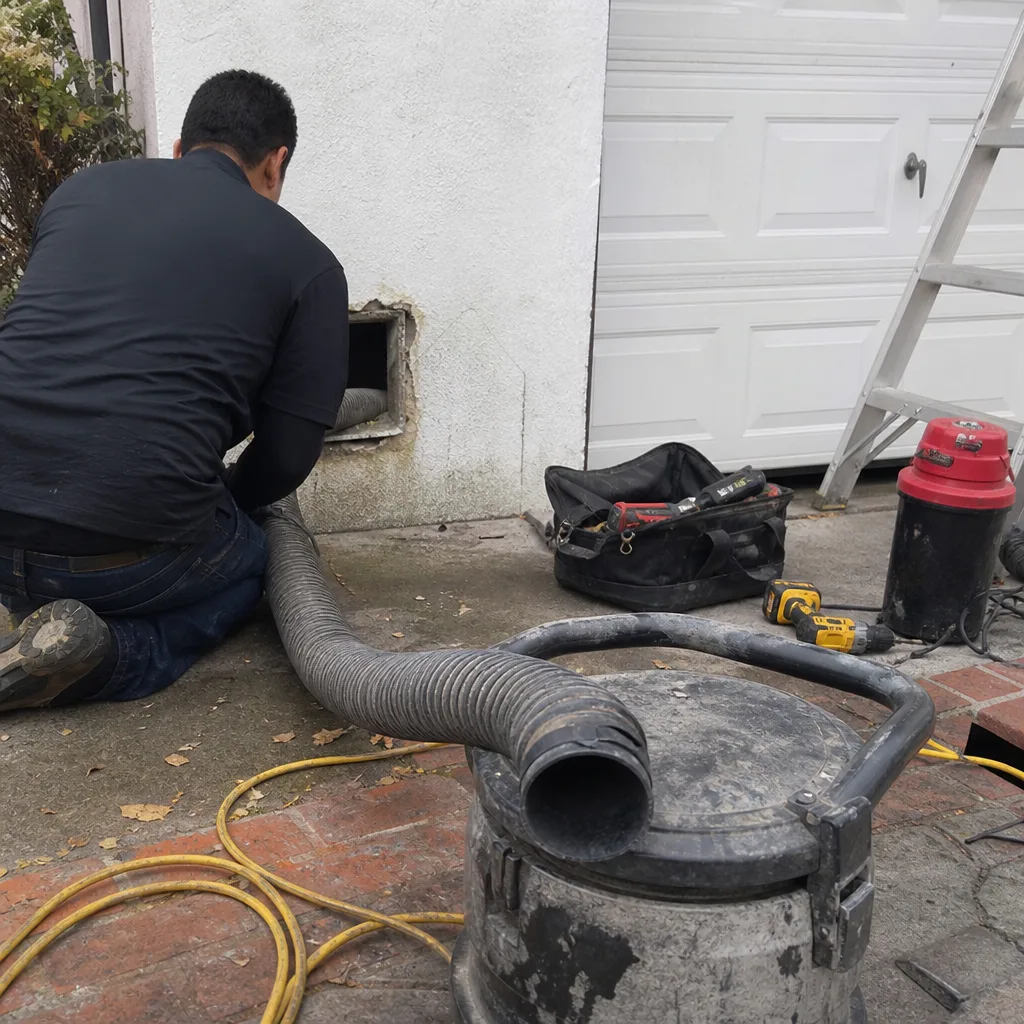 Before
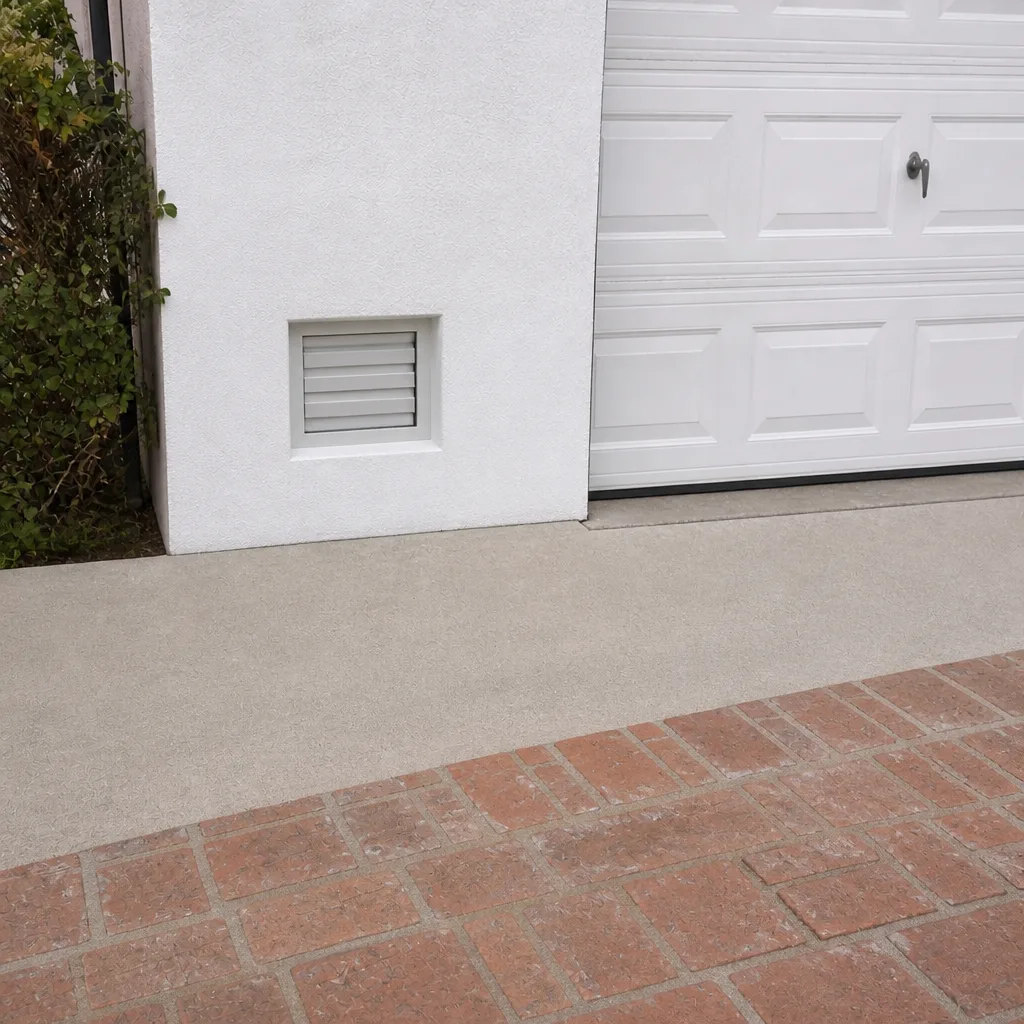 After
When to Call a Professional
Call a professional when the checklist turns up findings that go beyond dust film: heavy accumulation in the return plenum, a loaded blower wheel, ash residue inside registers after a smoke event, pest evidence, or duct seams that have separated. Call before running the system if you see moisture or damage in the air handler cabinet. And call if your filter loads in days instead of weeks, or if several registers show the same problem, because that points to a source only a full-system inspection will find. Air Duct Cleaning Encino offers free estimates in Encino, with one flat price per system agreed before work starts, before-and-after photos of your own ducts, and a satisfaction guarantee. Call (877) 492-1986. We answer 24/7. Fast dispatch from 7am to 7pm, Sunday through Friday.
Frequently Asked Questions
For a typical Encino home with no special conditions, a professional cleaning every several years is a reasonable baseline, but the triggers matter more than the interval. A wildfire smoke event, a renovation, or a new pet can each reset the clock. The checklist approach is to inspect on those triggers rather than waiting for a date. Call (877) 492-1986 for an exact quote, estimates are free.
Most residential duct cleanings in the Encino market run somewhere in the several-hundred-dollar range for a whole-system job, and the written estimate sets the final price before any work starts. The honest answer is that cost depends on system size, accessibility, and what condition we find. Call (877) 492-1986 for an exact quote, estimates are free.
Low quotes usually come from per-vent pricing or a coupon figure that grows once the technician is on site, and from equipment that doesn’t reach the whole system. Per-vent pricing charges by opening rather than by system, which encourages opening more and cleaning less. We work on one flat price per system agreed before we begin, and we give you before-and-after photos of your own ducts so you can see exactly what was done.
Ask for before-and-after photos of your own ductwork, not stock photos, and keep them in your maintenance folder alongside your inspection notes. A contractor using real professional equipment like Rotobrush rotary-brush and Nikro HEPA vacuum systems can show you what they removed. Ask what equipment they use before you book, then compare the photos to your own pre-inspection shots.
Inspect first, then decide. Smoke events push fine particulate into the return path, and a filter change plus an inspection of the registers and air handler will tell you whether the ducts themselves took on material. If you find ash residue inside register collars or a persistent smoke smell with the system running, a professional cleaning is worth it. Call (877) 492-1986 for an exact quote, estimates are free.
The structure is the same, but the log does more work. Keep a dated record of each unit’s inspections, filter changes, and professional service receipts because turnover, tenant complaints, and insurance conversations all depend on documented condition. A landlord who can show a dated maintenance folder is a landlord with a solid defense. Call (877) 492-1986 for a free estimate across multiple units.
The Bottom Line
A duct maintenance checklist for an Encino home should work like an inspection log, built around the four triggers that actually drive contamination here: smoke events, renovation, annual HVAC startup, and the multi-year routine interval. Check registers, the air handler cabinet, the return plenum, the coil and drain pan, and your filter on each pass, and photograph what you find. Document dates and results so you have a baseline to compare against, and so any future insurance conversation has a paper trail. The best checklist takes ten minutes and tells you whether it’s time to call. Our technicians have up to 13 years of experience, and we use professional-grade equipment including Rotobrush, Nikro, and Abatement Technologies systems rather than big-box rentals. If your log says it’s time, call (877) 492-1986. We answer 24/7. Fast dispatch from 7am to 7pm, Sunday through Friday.
Written by the team at Air Duct Cleaning Encino.