
Last updated November 22, 2026
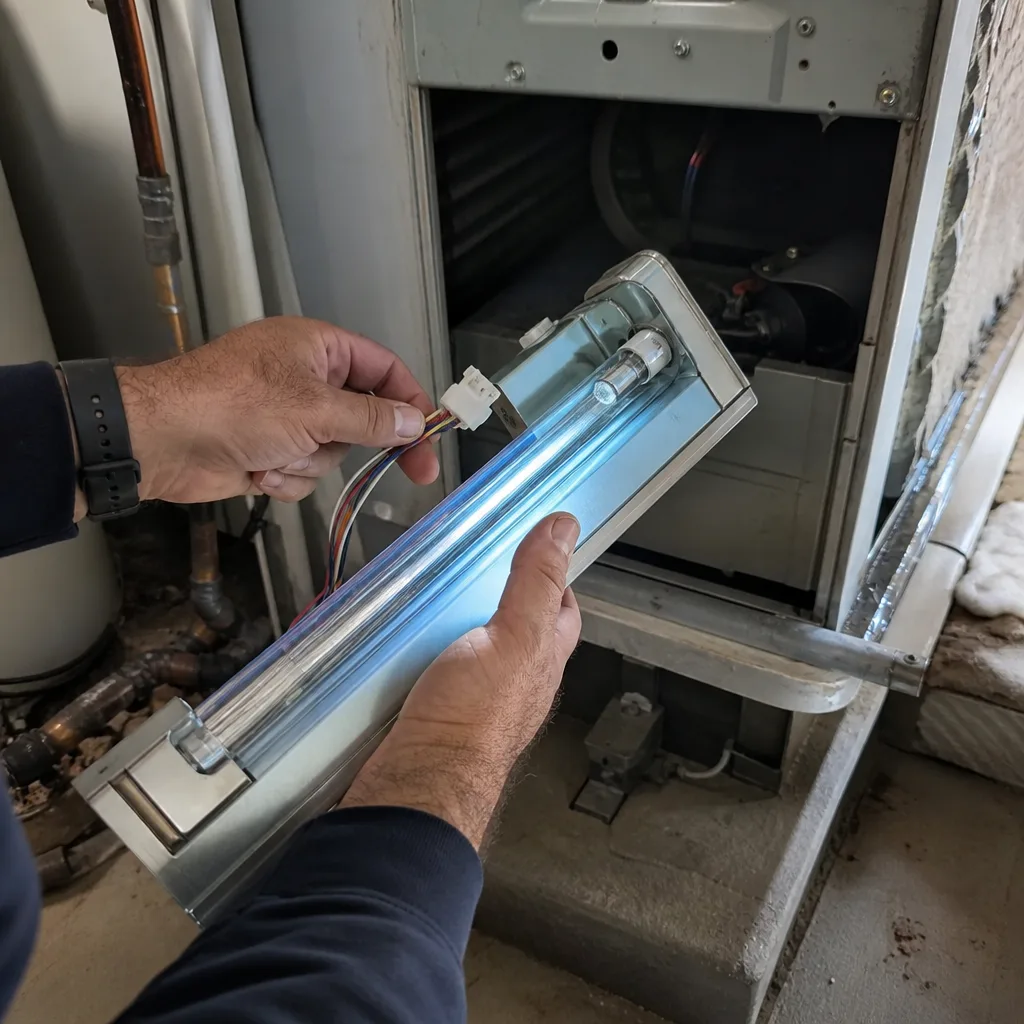
 Whole-home duct cleaning
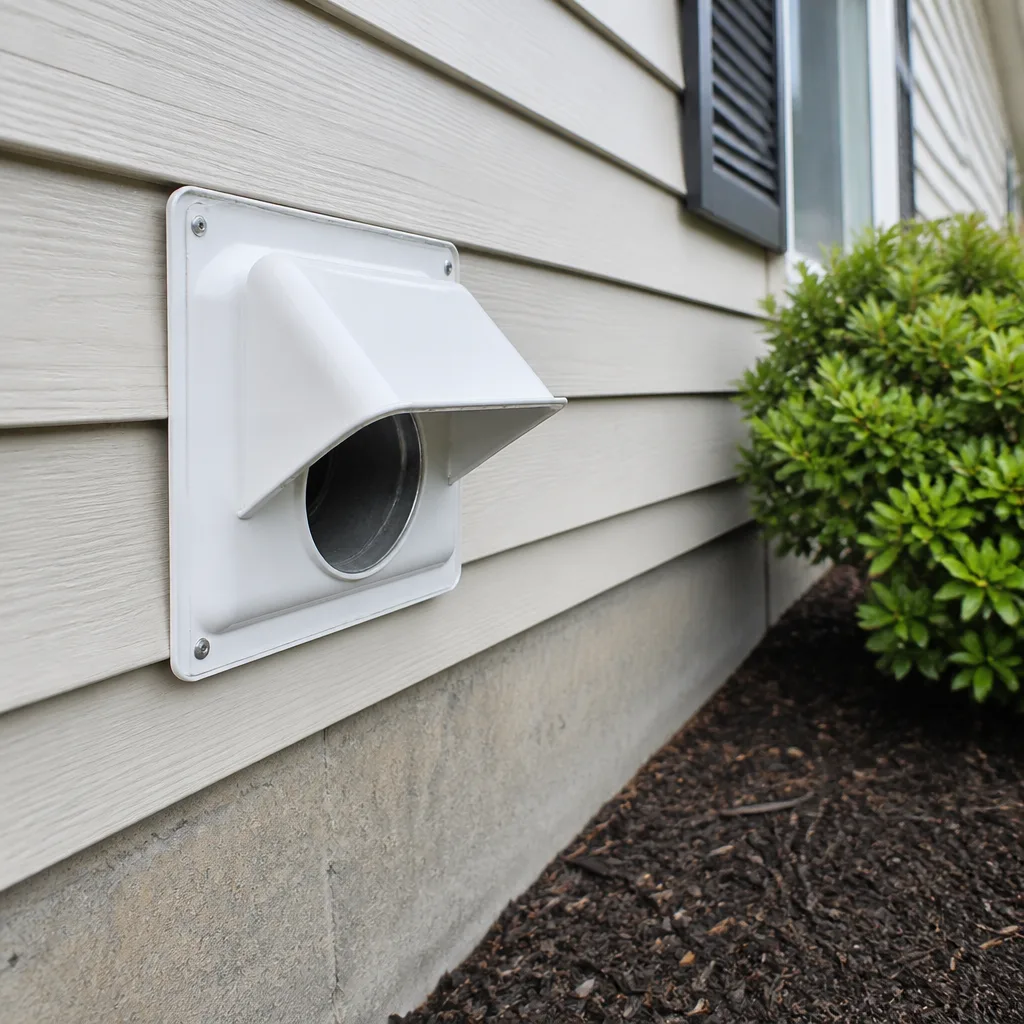 Dryer vent cleaning
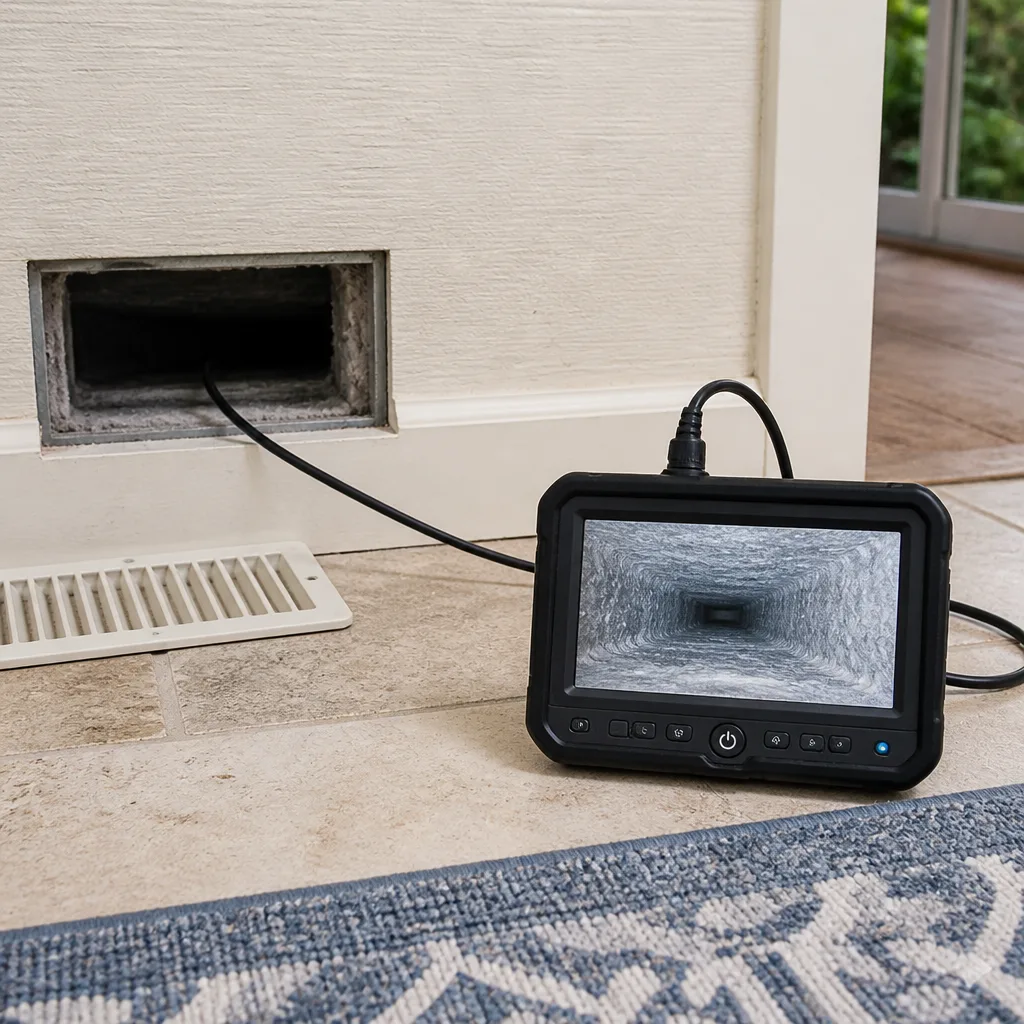 Camera inspection
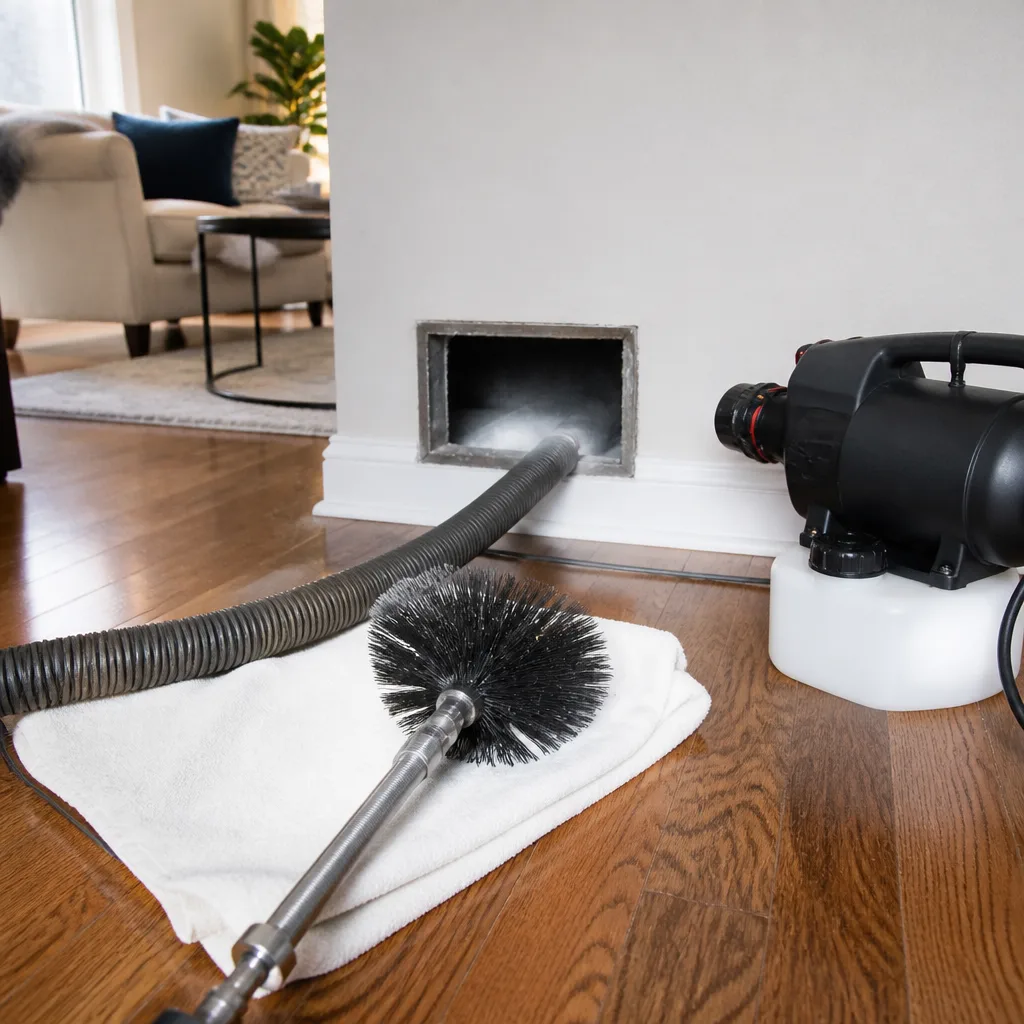 Sanitizing & deodorizing
Whole-system duct and dryer vent check with before-and-after photos - you see exactly what came out of your vents
That "$99 whole-house special" is a bait ad - the real number appears once they are in your hallway, or the "clean" is a shop-vac at the register. We photograph the inside of your ducts before and after instead.
The Complete Guide to Air Duct Cleaning in Encino
Most duct cleaning guides are written for a hypothetical American home. Encino homes don’t fit that template. They sit in a fire-prone air basin, run their HVAC systems for most of the year, and were largely built before 1980. Those three facts change what “clean” actually means here, and they change what a real cleaning has to accomplish. This guide treats Encino as a specific technical case: how wildfire smoke and dry heat load your ducts, why older Valley housing stock needs inspection before anyone touches it, and how to tell source-removal cleaning from the surface-level work that gets sold across the Valley. You’ll finish knowing what to ask, what to avoid, and what a full-system job should include.
Quick Answer
Air duct cleaning in Encino is the mechanical removal of accumulated dust, fine particulate, and debris from every component of your forced-air system: supply and return ducts, the air handler, the evaporator coil, the drain pan, and the registers. A proper job uses negative-pressure HEPA capture alongside rotary-brush agitation so dislodged debris leaves the system rather than settling into your living room. Encino’s long cooling season and wildfire smoke exposure mean most homes here reach the point of needing service sooner than the national average, and pre-1980 construction means the ducts should be inspected before any cleaning method is chosen.
Styles & brands we work with
- Whole-home duct cleaning
- Dryer vent cleaning
- Camera inspection
- Sanitizing & deodorizing
Table of Contents
- Why Encino Homes Are a Different Duct Cleaning Case
- Wildfire Smoke, Santa Ana Winds, and What They Leave in Your Ducts
- What Pre-1980 Encino Housing Stock Means for Your Ducts
- Source Removal vs. Air Washing: The Difference That Matters
- Why a Long Cooling Season Changes the Microbial Risk
- What a Full-Spectrum Contractor Covers That a Duct Cleaner Doesn’t
- What a Professional Cleaning Actually Involves, Step by Step
- How Much Does Air Duct Cleaning Cost in Encino?
- How Often Does a Home in Encino Really Need This Done?
Why Encino Homes Are a Different Duct Cleaning Case
Duct contamination is a product of what’s in the air and how long the system runs. Encino scores high on both. The San Fernando Valley climate means air conditioners and heat pumps run through the better part of the year rather than the four-to-five-month season assumed by most national advice. Every hour of runtime pulls air through the return, past the filter, across the coil, and out through the supply trunks. Whatever the filter doesn’t catch settles on the interior surfaces of the ductwork.
Then there’s the air itself. Encino sits in a basin where smoke from regional fires moves in and lingers, where wind events lift dry soil and dust, and where the inversion pattern traps particulate near the ground. A house running its system during a smoke event is, functionally, pulling that smoke through its return ducts. Some of it is caught by the filter. A meaningful fraction of the fine material is not, and it deposits where no filter will ever reach it.
Older housing stock compounds the issue. Much of Encino’s residential construction predates the 1980s, which means duct systems that may have been retrofitted, extended, or pieced together over decades. Flex duct runs pieced into older rigid trunk lines, unsealed joints in unconditioned spaces, and sections that were never sized correctly in the first place are common. A cleaning method chosen without looking at the system first can damage that kind of ductwork or simply fail to reach the contamination.
What this means for you: the generic advice to clean every three to five years is a starting point, not a rule. Homes in Encino that run the system nearly year-round and sit through smoke seasons accumulate contamination on a different schedule. The honest answer is that the interval depends on the system, the filtration, and what the household has been through. That’s why an inspection comes first, not a coupon.
Wildfire Smoke, Santa Ana Winds, and What They Leave in Your Ducts
Fine particulate from wildfire smoke is the single most under-addressed contaminant in Valley duct systems. The particles that make smoke visible and make the air unhealthy are small enough to pass through standard filters and small enough to stay suspended. What settles inside ductwork is a mix of ash, char, and the same fine material that coats every outdoor surface after a smoke event. It doesn’t look dramatic. It accumulates quietly.
Santa Ana wind events compound this. Dry, gusting wind lifts soil and dust from open ground and pushes it into every gap in a building envelope, including return-air leaks in unconditioned attics and crawl spaces. A return duct with a failed joint in an attic can pull wind-driven dust directly into the system, bypassing the filter entirely.
What standard cleaning cycles don’t account for:
- Smoke residue behaves differently than household dust. It clings, it’s finer, and rotary-brush agitation plus HEPA capture is what actually removes it. A vacuum alone won’t lift it from duct walls.
- Filtration matters more after a smoke season. A standard filter is a dust filter, not a smoke filter. Upgrading filtration is the natural next step once the ducts are clean, not a substitute for cleaning them.
- Recontamination happens fast if the system leaks. Cleaning ducts without sealing the leaks that let contaminated air in means the job starts degrading immediately.
This is where our approach differs from a single-method duct cleaner. We use Rotobrush rotary-brush equipment to dislodge material from duct surfaces and Nikro HEPA vacuum equipment to capture it under negative pressure, in the same visit. The rotary brush contacts the wall; the HEPA vacuum holds what comes off. One without the other either leaves the contamination or spreads it. For homes that have been through heavy smoke exposure, our Abatement Technologies equipment lets us work to a remediation-level standard rather than a routine-maintenance one.
What Pre-1980 Encino Housing Stock Means for Your Ducts
Before any cleaning method is chosen, the duct system has to be looked at. This isn’t a formality. Much of Encino’s housing predates 1980, and ductwork from that era, or ductwork retrofitted into it since, comes in varieties that need to be identified first.
What inspection is looking for:
- Flex duct sections. Flexible duct has a plastic liner over a wire helix. Aggressive rotary brushing can tear it. It needs a gentler method or replacement, not the same treatment as sheet-metal trunk lines.
- Asbestos-adjacent materials. Older duct systems sometimes have insulation or wrap containing materials that should never be disturbed without proper handling. If there’s any question about what a duct’s exterior wrap contains, testing comes before cleaning, not after.
- Disconnected and crushed runs. Retrofit work often leaves ducts crushed, kinked, or simply disconnected in attics and crawl spaces. Cleaning a disconnected duct does nothing useful; it needs to be reconnected or replaced.
- Unsealed joints in unconditioned space. These pull attic and crawlspace air into the system. Sealing them is part of fixing the problem, not an optional add-on.
In our experience, the calls that go wrong in older Valley homes are the ones where a cleaner arrived with one method and applied it to every system regardless of what was in front of them. The system tells you what it needs. You just have to look before you start.
A note on safety: if you’re a homeowner considering opening up ductwork yourself, don’t. Beyond the contamination you’d be releasing, older duct systems can contain materials that are genuinely hazardous to disturb, and electrical components near the air handler carry real risk. This is a job for trained professionals with the right equipment and the right inspection habits.
Source Removal vs. Air Washing: The Difference That Matters
Two very different services get sold under the name “duct cleaning” in the Valley. Understanding the difference is the single most useful thing you can learn before calling anyone.
Source removal is the NADCA-standard method. Contaminants are physically dislodged from the interior surfaces of the duct system and captured and removed. The whole job runs under negative pressure so that nothing escapes into the occupied space. It requires contact with the duct surfaces, agitation to lift what’s clinging, and HEPA-grade capture. It’s the method that actually leaves the system cleaner than it was.
Air washing is the dominant service sold at coupon prices. A technician runs air through the system, maybe with a vacuum at one end, and calls it cleaning. There’s no meaningful contact with duct surfaces, no real agitation, and no reliable capture. Loose dust moves. Adhered contamination stays exactly where it was. It’s fast, it’s cheap to deliver, and it doesn’t accomplish the thing you were trying to accomplish.
How to tell them apart before you book:
- Ask what equipment will be on site. Source removal requires a rotary-brush or contact-agitation system plus a HEPA vacuum capable of maintaining negative pressure. If the answer is vague, that’s your answer.
- Ask whether you’ll see before-and-after photos of your own ducts. A source-removal job documents itself. Air washing doesn’t produce the evidence because there isn’t any.
- Ask how the price is set. Whole-system pricing with an agreed flat rate before work starts is how a real job is sold. Per-vent pricing and teaser coupons are how a bait-and-switch is set up.
- Ask whether the system gets inspected first. A contractor who looks at your ducts before quoting knows what they’re dealing with. One who quotes over the phone and shows up with a coupon doesn’t.
The gap between these two services is the whole reason this industry has a trust problem. If you remember one thing from this guide, make it this: you’re paying for physical removal of contamination and for proof it happened, not for someone to run a vacuum near your vents.
Why a Long Cooling Season Changes the Microbial Risk
Humid-climate advice about duct microbial growth doesn’t transfer cleanly to Encino. Most national guidance treats condensation as the enemy: warm, wet air hitting a cold coil, water pooling, mold following. Encino’s air is comparatively dry, so that particular pattern is less common here. What Encino does have is a cooling system that runs most of the year, which creates a different set of conditions inside the air handler.
The evaporator coil is where the action is. Refrigerant makes it cold, and room air passing over it condenses moisture even in a dry climate. That moisture drains to a pan, and the pan drains to a line. When the system runs nearly continuously, the coil and pan stay wet almost continuously. The drain line carries a constant trickle of water. Dust arriving on the coil mixes with that moisture, and the result is a film that supports microbial growth right at the point where your supply air passes over it.
The symptoms are worth knowing: a faint musty or “dirty sock” smell when the system kicks on, a drain pan that shows standing water or discoloration, an air handler cabinet that feels damp, or a drain line that drips slowly rather than flowing. Any of these point to the coil and drain pan being part of the problem, which means cleaning the ducts alone won’t solve it.
This is why the forced-air system has to be treated as a system. Ducts, coil, drain pan, and registers all share the same air. Cleaning the ducts while leaving a soiled coil and a slow drain pan in place means the next several months of operation recontaminate the ducts you just paid to have cleaned. A proper job addresses the moisture source and the microbial surface together. That’s part of why we treat coil and drain-pan cleaning as part of the same visit, and why we carry Guardsman-grade sanitizing products for the duct surfaces themselves when a documented antimicrobial treatment is warranted.
What a Full-Spectrum Contractor Covers That a Duct Cleaner Doesn’t
Most duct cleaners offer one method and one service. The problem is that a forced-air system has multiple components that interact. Clean one and ignore another, and the system pulls contamination back into the part you just cleaned. A full-spectrum indoor air quality contractor treats the whole system, then upgrades it.
What the full scope looks like:
- Air duct cleaning as the foundation: supply and return ducts cleaned under negative pressure with rotary-brush agitation and HEPA capture.
- HVAC cleaning: the air handler, evaporator coil, drain pan, blower, and cabinet. This is where the moisture and the microbial risk live.
- Duct repair and sealing in-house. Leaks, gaps, disconnected runs, and damaged sections found during cleaning get fixed on the spot rather than referred out. A clean system that leaks is a system that won’t stay clean.
- Dryer vent cleaning as a separate but related service on the same forced-air system’s ventilation side. Lint accumulation in a dryer vent is a fire hazard, and it’s the one contamination problem in the house with a genuinely urgent timeline.
- Air quality and sanitizing: post-cleaning treatment with Guardsman-grade products when contamination warrants it, and whole-home filtration and humidity control through the Honeywell and Aprilaire product lines as a natural next step.
The last piece is what separates a cleaning from a fix. Once the ducts are clean and the system is sealed, the question becomes how to keep it that way through the next smoke season and the next ten months of runtime. A filtration system sized to the house does more for indoor air quality going forward than any cleaning visit can. We work with Honeywell and Aprilaire systems, so that upgrade happens as a considered next step rather than a sales pitch bolted onto a cleaning.
If any of this sounds more involved than a duct cleaning, it is. That’s the point. Your whole forced-air system can be handled in one relationship instead of three, and the components that interact get addressed together.
For a fuller picture of the core service itself, see our air duct cleaning page.
What a Professional Cleaning Actually Involves, Step by Step
A real job follows a sequence, and each step depends on the one before it. This is what a properly run cleaning looks like:
- Inspection. The system is opened up and examined: duct material and condition, joint integrity, the air handler, the coil, the drain pan, and the register openings. In pre-1980 Encino homes, this step determines which cleaning method is safe for which section.
- Containment and negative pressure. The system is placed under negative pressure with HEPA capture connected, so that everything dislodged during cleaning goes into the vacuum rather than into the house.
- Agitation. Rotary-brush equipment with flexible shafts reaches into the ducts and contacts the interior surfaces, dislodging adhered contamination. Section by section, from the air handler outward.
- Source removal of the coil and drain pan. The evaporator coil is cleaned at the fins, the drain pan is cleaned and cleared, and the drain line is confirmed to flow. This is where the microbial risk lives, so it gets handled during the same visit.
- Capture and verification. The HEPA vacuum pulls the dislodged material out of the system under negative pressure. Before-and-after photos document what was actually removed from your ducts.
- Repair and sealing. Gaps, disconnected joints, and damaged sections found during the job are sealed or repaired in-house, so the system that finishes clean is also sealed against recontamination.
- Sanitizing and air quality review. Where contamination warranted it, Guardsman-grade sanitizing products treat the duct surfaces. The final conversation is about filtration and humidity control for the long term, not a sales pitch.
The house stays recognizable throughout. No belonging gets moved, no carpet gets soaked, and the whole system is left cleaner than the day it was installed.
How Much Does Air Duct Cleaning Cost in Encino?
Air duct cleaning in Encino typically runs from about $400 to $1,200 for a whole-house job, with the final price set by the written estimate after inspection. The range is wide because homes are: a 1,200-square-foot single-return tract home and a 3,500-square-foot multi-zone Encino residence are not the same job. What you should be paying for is a flat price per system, agreed before work starts, with no per-vent pricing and no surprise line items added once the technician is on site.
Ballpark ranges by scope:
- Air duct cleaning alone (supply and return ducts, whole system): typical range $400 – $800, depending on square footage, number of zones, and duct accessibility.
- HVAC cleaning as part of the visit (coil, drain pan, blower, cabinet): typical range $200 – $500 on top of duct cleaning, depending on system size and condition.
- Duct repair and sealing for leaks, gaps, or disconnected runs found during cleaning: priced per the written estimate, based on what’s actually found. There’s no honest per-foot guess without seeing the system.
- Air quality and sanitizing where contamination warrants treatment: priced per the estimate, with the option of filtration or humidity control upgrades through Honeywell and Aprilaire as a separate decision.
- Dryer vent cleaning: a separate service on the same visit if the vent access is reachable, priced by the estimate.
Why some quotes are dramatically lower: a coupon price usually buys air washing, not source removal. The work is fast, the equipment is minimal, and the result is a system that looks the same after the visit. If a price seems too low to cover a full system with rotary-brush agitation and HEPA capture, it probably doesn’t. Paying for a real job once is cheaper than paying twice.
The estimate is free. Call (877) 492-1986 for an exact quote, and the written estimate sets the price before any work begins.
How Often Does a Home in Encino Really Need This Done?
There’s no single number that applies to every Encino home, because the interval depends on the system, the filtration, the household, and what the air has been through. What we can say: the standard three-to-five-year guidance was written for homes that run their HVAC a few months a year, not ten. Encino homes accumulate contamination faster than that guidance assumes.
A more useful way to think about timing:
- After a significant smoke event that left the household running the system with windows closed for days, it’s worth having the system inspected. Ash and fine particulate don’t announce themselves.
- When you notice symptoms: musty smell on startup, visible dust settling quickly after cleaning the house, uneven airflow between rooms, or reduced cooling performance without a refrigerant issue. These point to the ducts and coil being part of the problem.
- After moving into a pre-1980 Encino home. You don’t know the cleaning history, and the inspection matters more than the cleaning for older systems.
- After a remodeling or construction project that generated drywall dust, sawdust, or fiber debris. Construction dust makes it into the returns and stays there.
- On a schedule tied to your filtration. Homes with upgraded Honeywell or Aprilaire filtration hold contamination longer and can stretch the interval. Homes with a basic filter and no upgrade should expect to clean more often.
For dryer vents specifically, the calculus is different. Lint accumulation is a fire hazard, and the timeline depends on household size and laundry volume. An annual check is the safe habit for most households.
If you’re not sure whether your home is due, the inspection answers the question. That’s a better use of your time than guessing.
Common Mistakes to Avoid
- Booking on price alone. The cheapest quote in the Valley almost always buys air washing rather than source removal. You end up paying for a job that leaves the contamination in place and the ducts looking unchanged.
- Skipping the inspection. In pre-1980 Encino homes, the wrong cleaning method can damage flex duct or disturb materials that shouldn’t be touched. The system decides the method, not the calendar.
- Cleaning ducts while leaving the coil and drain pan alone. A soiled coil recontaminates clean ducts within months. The forced-air system has to be treated as a whole.
- Accepting per-vent pricing or a coupon price that grows on site. A flat price per system, agreed before work starts, is the only structure that prevents a bait-and-switch. If a quote can expand after the technician arrives, assume it will.
- No documentation. Before-and-after photos of your own ducts are the only proof the work happened. Without them, you’re taking a stranger’s word for a job you can’t see.
- Cleaning without sealing. A clean system with leaky return ducts in an attic pulls contaminated air straight back in. Repair and sealing are part of the fix, not an optional upgrade.
- Assuming a basic filter handles smoke. Standard filters catch dust, not fine smoke particulate. After a smoke-heavy season, the filtration question is worth a real conversation.
See the difference
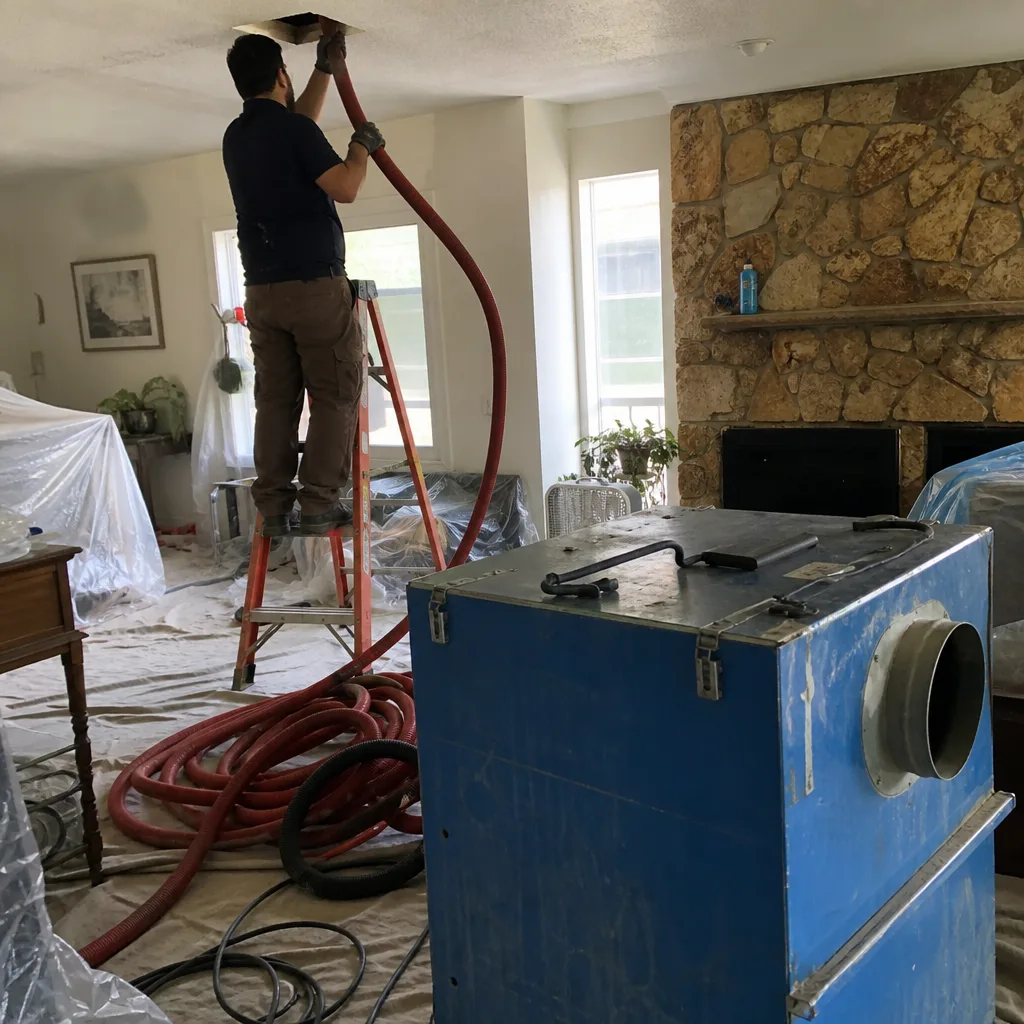 Before
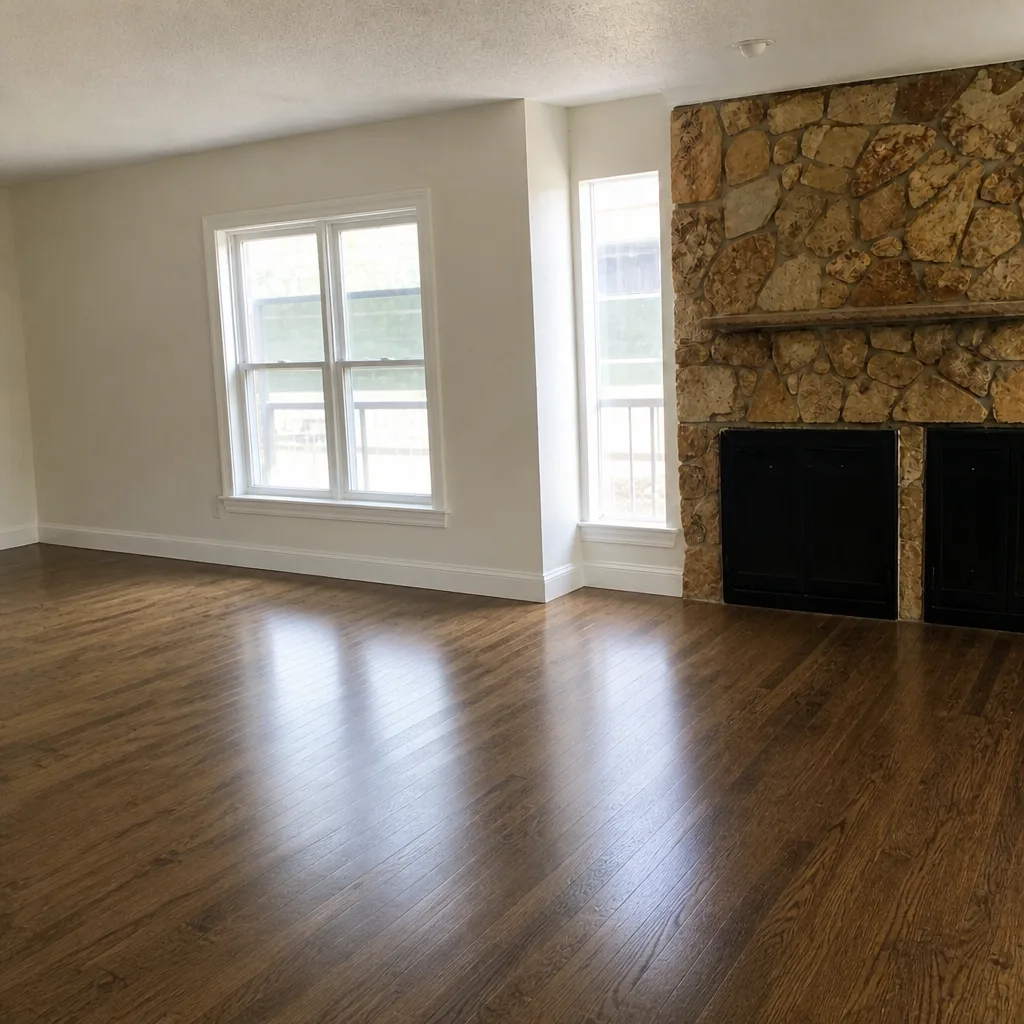 After
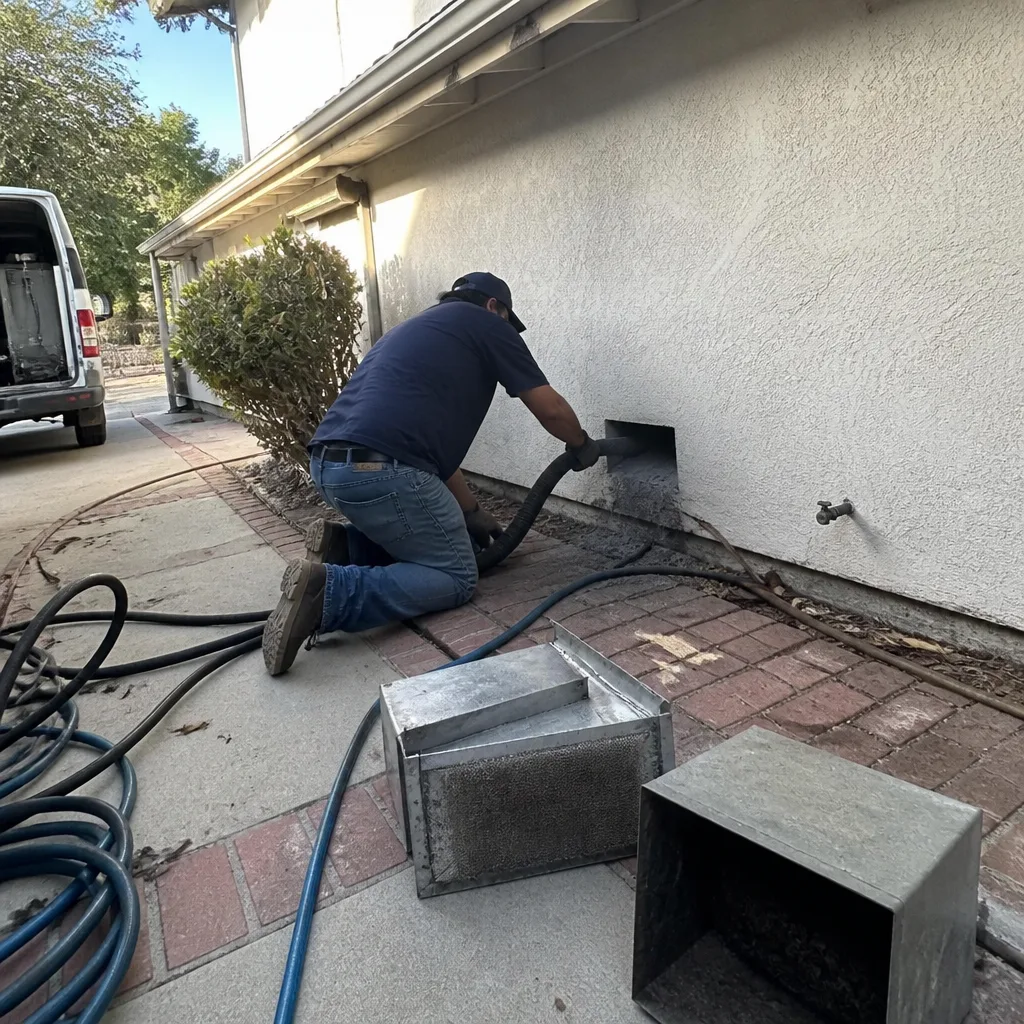 Before
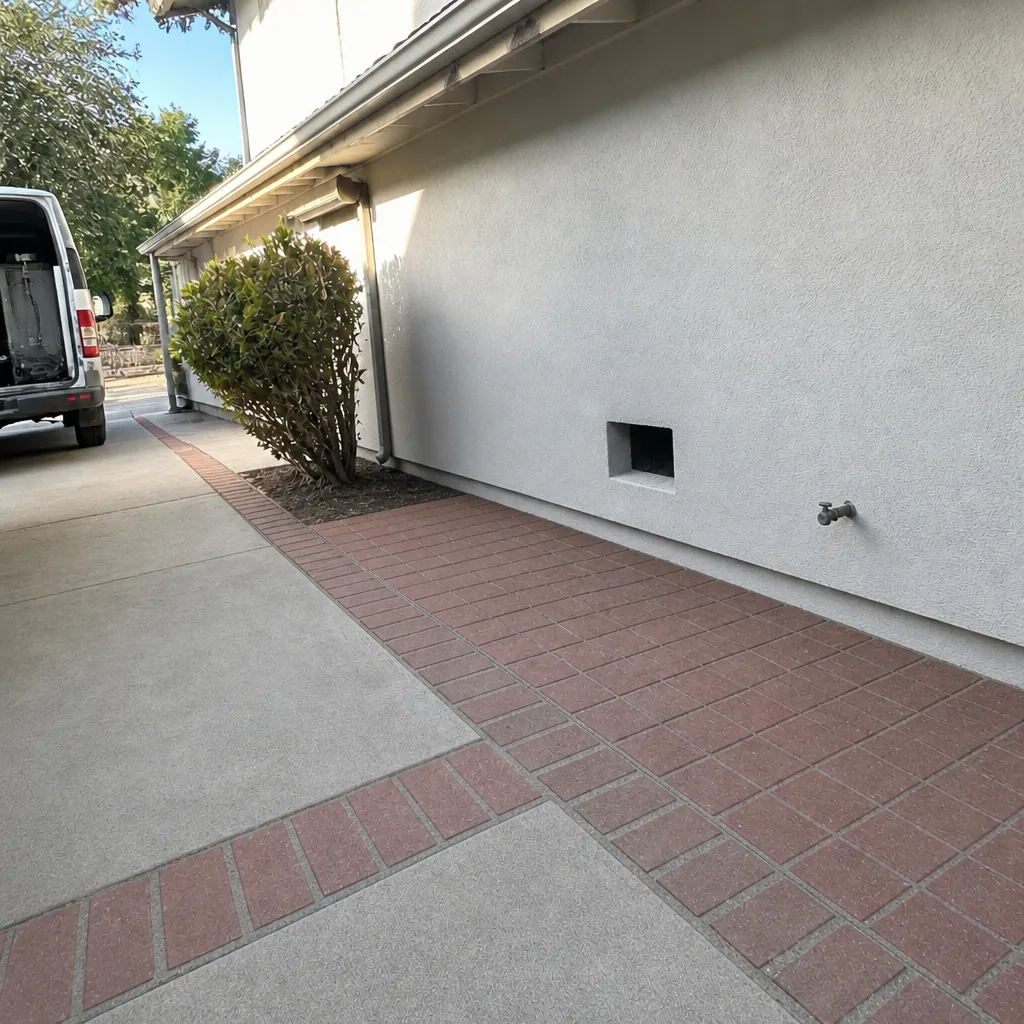 After
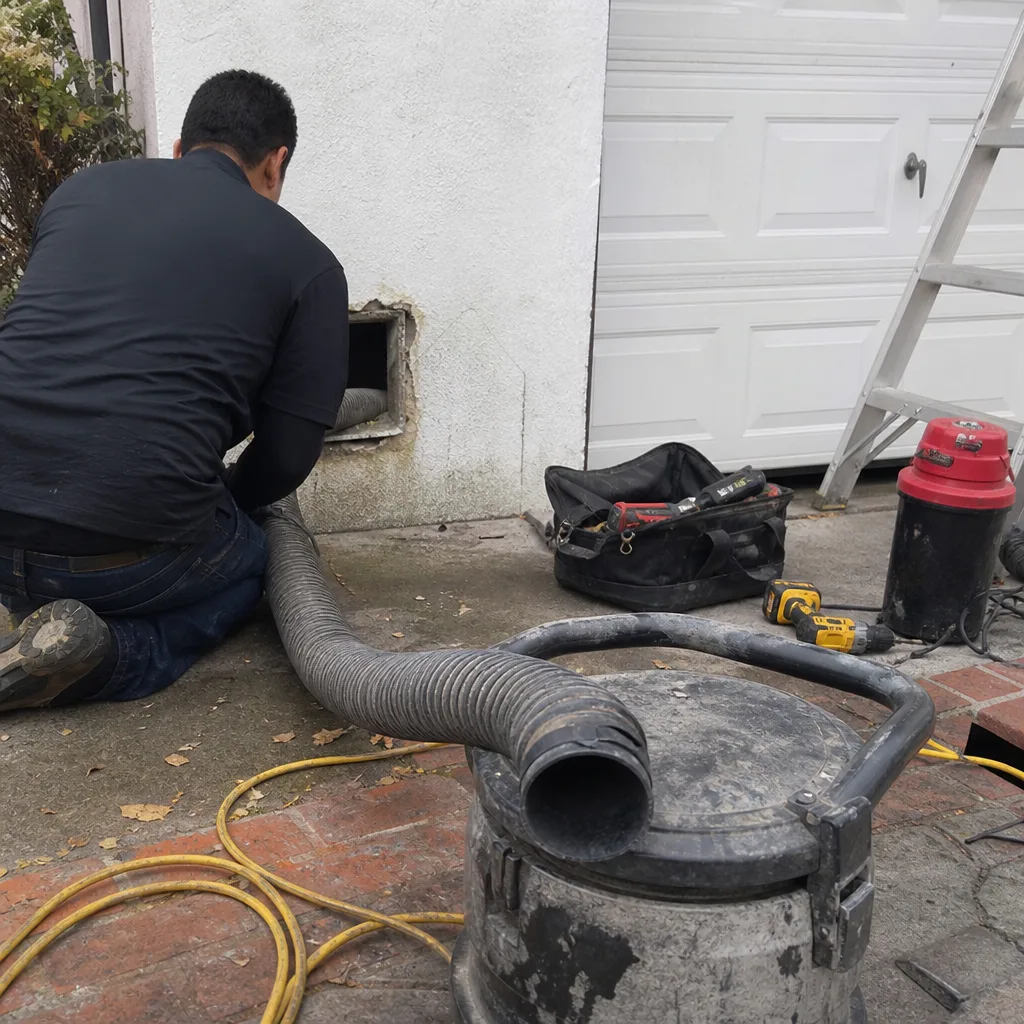 Before
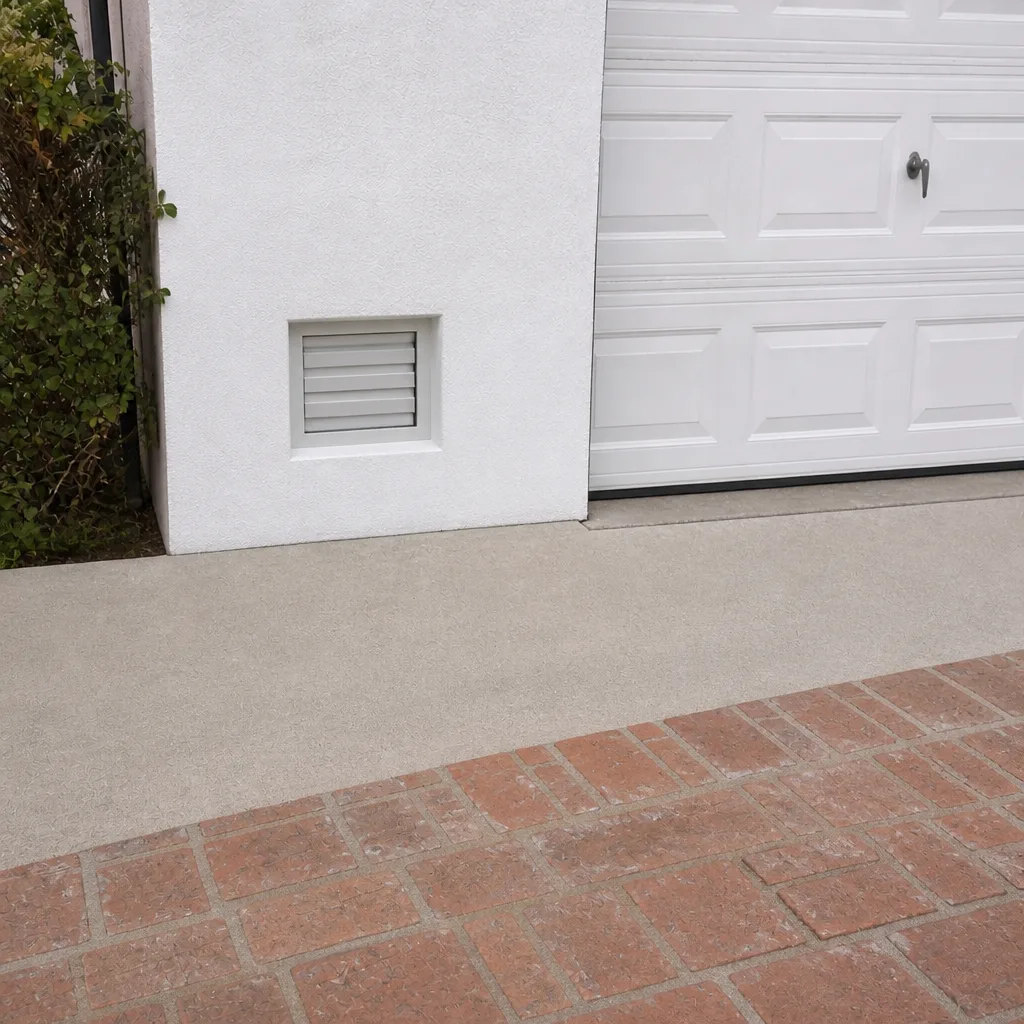 After
When to Call a Professional
Some situations genuinely call for a professional visit rather than a wait-and-see approach. A musty smell that appears when the system starts and fades after a few minutes usually points to the coil and drain pan, which means the ducts alone aren’t the fix. Uneven airflow between rooms, or a room that never cools properly despite a healthy system, can indicate disconnected or crushed ducts in the attic space. Visible dust settling across the house within days of cleaning usually means the returns are pulling from an unfiltered source. A dryer that takes noticeably longer to dry a load, or a vent that feels warm to the touch, is the lint-hazard signal. And any home where you’ve recently moved in, especially a pre-1980 Encino property, is worth an inspection before anything else. Air Duct Cleaning Encino offers free estimates in Encino. Call (877) 492-1986. We answer 24/7. Fast dispatch from 7am to 7pm, Sunday through Friday.
Frequently Asked Questions
Whole-house air duct cleaning in Encino typically runs from about $400 to $1,200, with the final price set by a written estimate after the system is inspected. The range reflects differences in square footage, number of zones, duct accessibility, and whether coil, drain pan, and repair work are included. The estimate is free, and the price is agreed flat per system before work starts. Call (877) 492-1986 for an exact quote.
Low coupon prices usually buy air washing rather than source removal, which means no contact agitation, no reliable HEPA capture, and no documented result. The work is quick to deliver because it doesn’t actually dislodge adhered contamination. A real job requires rotary-brush equipment, HEPA vacuum capture, and time on site, and it’s priced accordingly. Call (877) 492-1986 to compare an honest number.
You should see before-and-after photos of your own ducts, taken during the visit. A source-removal job produces visible evidence, and a contractor who won’t provide it didn’t do work that would produce it. We provide photos as a standard part of the job. Call (877) 492-1986 to book an inspection.
More often than the national three-to-five-year rule suggests, because Encino homes run their HVAC systems nearly year-round and sit through smoke seasons that load the ducts with fine particulate. The right interval depends on your filtration, your system, and what the household has been through, so an inspection is a better guide than a fixed number. Call (877) 492-1986 for a free estimate.
Yes, if it’s real source-removal cleaning. Fine smoke particulate and ash settle on duct surfaces and need rotary-brush agitation plus HEPA capture to remove. Cleaning alone won’t prevent recontamination, though; after a smoke-heavy season, upgraded filtration through the Honeywell and Aprilaire lines is the step that keeps the system in better shape going forward. Call (877) 492-1986 to talk through what fits your home.
We clean the whole forced-air system: supply and return ducts, the air handler, the evaporator coil, the drain pan, and the registers in the same visit. The coil and drain pan are where the moisture and microbial risk live, so cleaning the ducts without them would leave the source of recontamination in place. Call (877) 492-1986 for a free estimate.
For the related services that often come up alongside a duct cleaning, see our dryer vent cleaning and HVAC cleaning pages.
The Bottom Line
Encino isn’t a generic duct cleaning market. The long cooling season, the wildfire smoke exposure, and the pre-1980 housing stock mean the honest answer is usually a real inspection followed by source removal with the right equipment, not the cheapest coupon. What to look for: rotary-brush agitation plus HEPA capture, a flat price per system agreed before work starts, before-and-after photos of your own ducts, and a contractor who treats the coil, drain pan, and ductwork as one system with the repair and sealing work done in-house. Everything else is either supplemental or a shortcut that costs you twice.
If you’d like a real answer about your home, call Air Duct Cleaning Encino at (877) 492-1986 for a free estimate. Our technicians have up to 13 years of experience, and the local pro handling the work is licensed and insured as their state requires. We answer 24/7. Fast dispatch from 7am to 7pm, Sunday through Friday. Start with an inspection, see the before-and-after photos, and decide from there.
Written by the team at Air Duct Cleaning Encino.